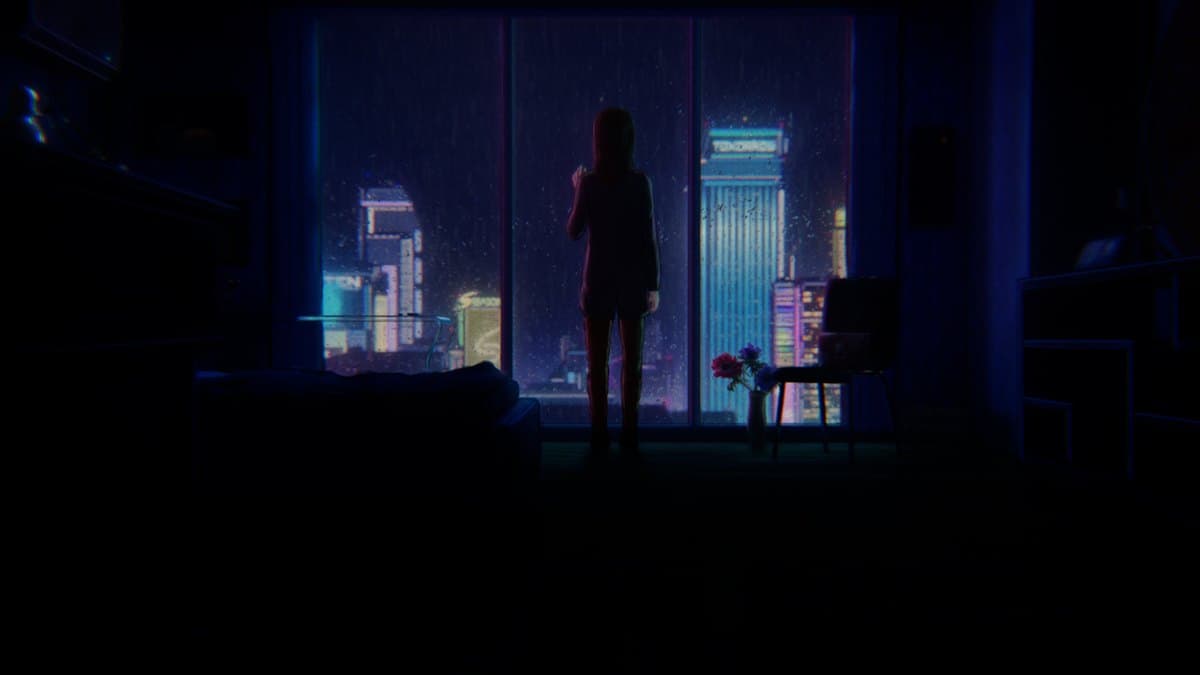
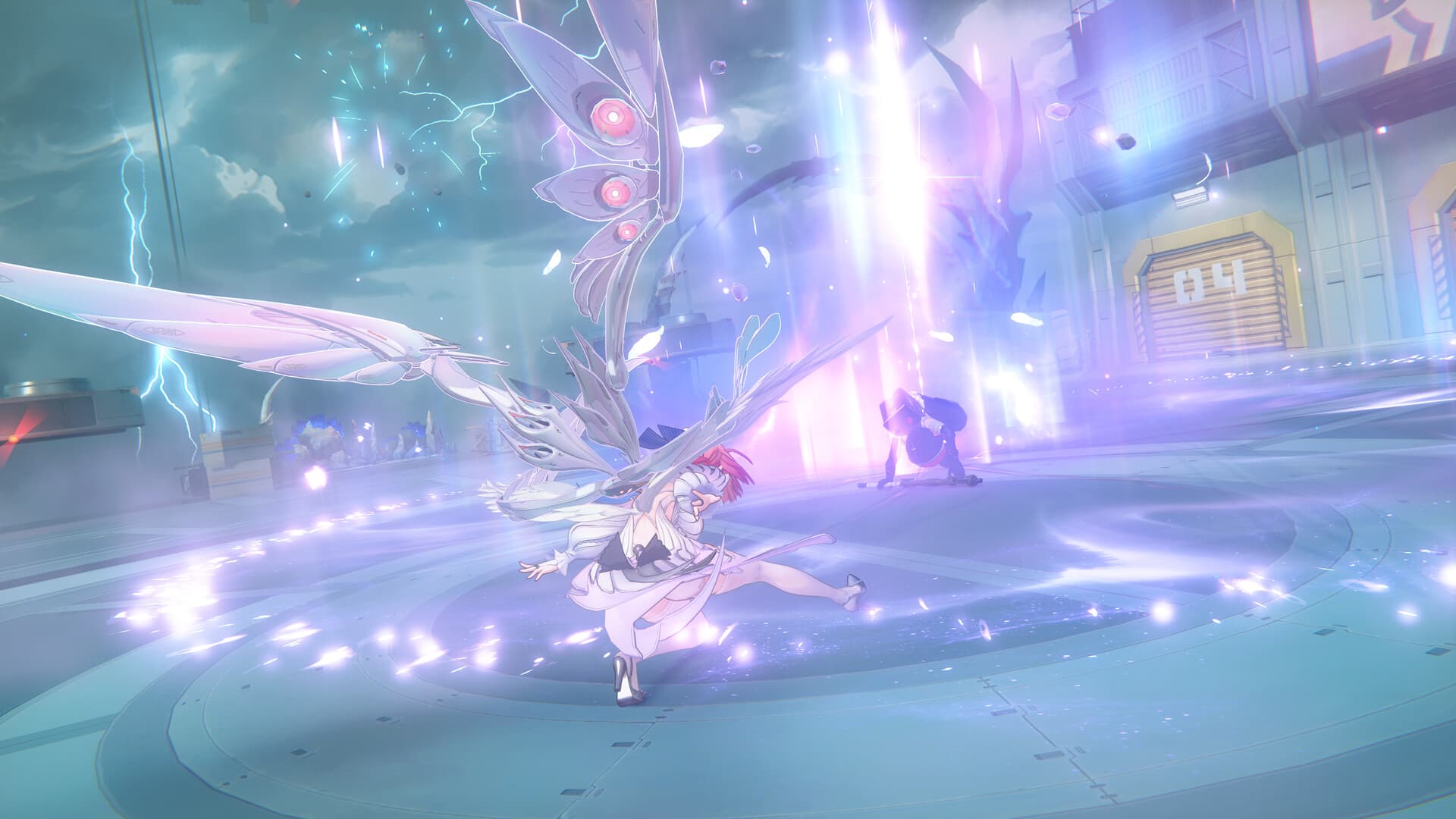
The servers go down at a time you have memorized without meaning to. For a lot of gacha players it is the small hours before dawn, a five-hour window when the game you play every single day simply is not there. And here is the strange part: those are some of the busiest hours the community has. The game is off, and everyone is talking about it more than ever.
Maintenance day is the closest thing a live-service game has to a holiday. It arrives on a schedule, it interrupts normal life, it comes with its own rituals, and the anticipation is at least half the point. You cannot play, so instead you refresh. You read the patch notes line by line. You do the math on your saved pull currency for the fifth time. You watch the countdown on a status page like it owes you something.
The anticipation economy
Live games run on a loop most people never name out loud: play, deplete, wait, refresh. Maintenance is the "wait" made physical. The developers take the toy away for a morning, and the absence does something no amount of new content could do on its own. It concentrates attention.
Think about what actually happens in those hours. The patch notes drop, usually right as the servers go dark, and suddenly every forum, subreddit, and group chat is parsing the same document at the same time. Is the new unit as strong as the leak said? Did they stealth-buff the thing everyone complained about? What is that one vague line in the balance section really going to mean? A whole community reads the same page in the same window and reacts together, which is a kind of synchrony you almost never get in a game people otherwise play alone, on their own schedules, in their own time zones.
That is the trick of it. A single-player game you finish and set down. A live game keeps its players on the same clock, and maintenance is the loudest tick of that clock. The downtime does not pause the community. It gathers it.
Rituals grow in the gap
Give people a recurring empty window and they will fill it with ritual. Maintenance day has produced a whole folk culture around itself, and it is oddly consistent across very different games.
There is the pre-download, staged the night before so you are not stuck watching a progress bar while everyone else is already in. There is the currency count, the ritual tallying of everything you have saved so you know exactly how many pulls you are walking in with. There is the plan, half-serious, half-superstitious, about which banner to hit first and whether to pull now or wait for the rerun. There is the comfort of the status page, refreshed well past the point of usefulness, because watching the countdown is its own small activity.
And there are the jokes. Every community has them: the running bit about the servers always coming back late, the memes about the maintenance compensation currency, the affectionate complaining that is not really complaining at all. These rituals are not about the game being down. They are about being down together.
The quiet that says a game is alive
Here is the thing that only makes sense from the outside looking strange: a game being unplayable for a morning is often proof of how alive it is. Nobody organizes a countdown for a game they have drifted away from. Nobody reads patch notes line by line for a game they have half-quit. The intensity of a maintenance day is a direct readout of how much a community still cares.
You can feel the difference. A healthy game's maintenance window is loud, anxious, funny, and full of speculation. A fading game's maintenance window is quiet, and the quiet is the real bad sign, worse than any nerf. When people stop caring what the patch contains, the servers can be up twenty-four hours a day and it will not matter. Which is why, paradoxically, the mornings the game is off can be the most reassuring. All that noise around a locked door means the room behind it is still worth waiting for.
What we are actually waiting for
Strip it back and maintenance day is anticipation with a timer on it, and anticipation is one of the most underrated pleasures a hobby can give you. The pull you are about to make is, statistically, going to feel like a lot of the pulls before it. The new unit will be strong or it will not, the event will be fun or forgettable, and in a week the novelty will settle into routine. None of that is really the point on the morning of. The point is the not-yet. The saved-up currency that could still become anything. The banner you have not been disappointed by yet.
Games have gotten very good at selling us content. Maintenance day is a reminder that they are also, quietly, selling us the wait, and that the wait, done right, is a thing people will happily gather around a dark server to share. The next time the game you love goes down for the morning and you catch yourself refreshing a status page for no reason, that is not boredom. That is the ritual working exactly as intended.
If the waiting has you rethinking how you spend on the banners you are counting down to, our pull versus attachment piece sits right next to this one, and the quitting, uninstalling, and returning essay is about what happens when the ritual finally loses its hold.