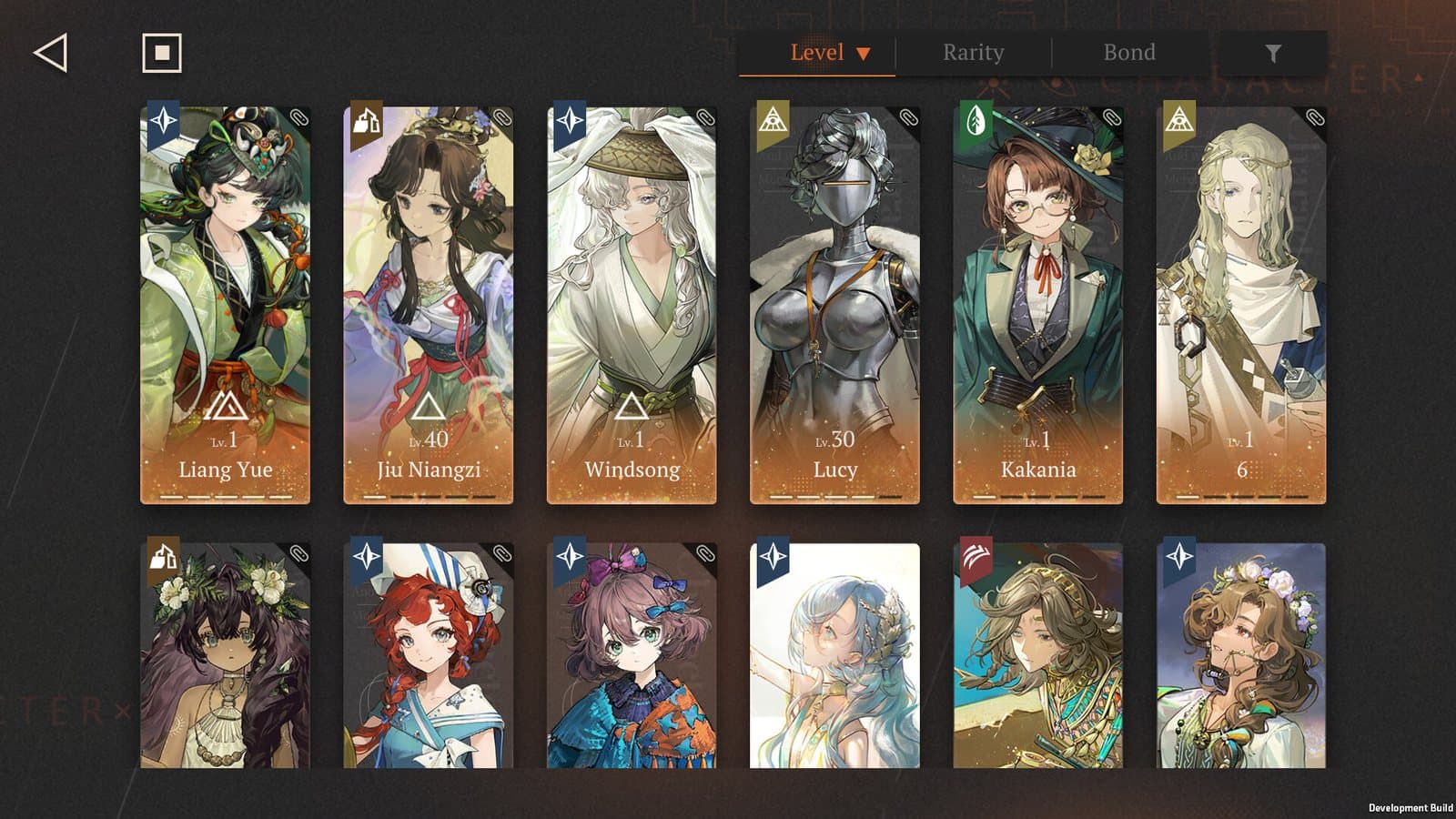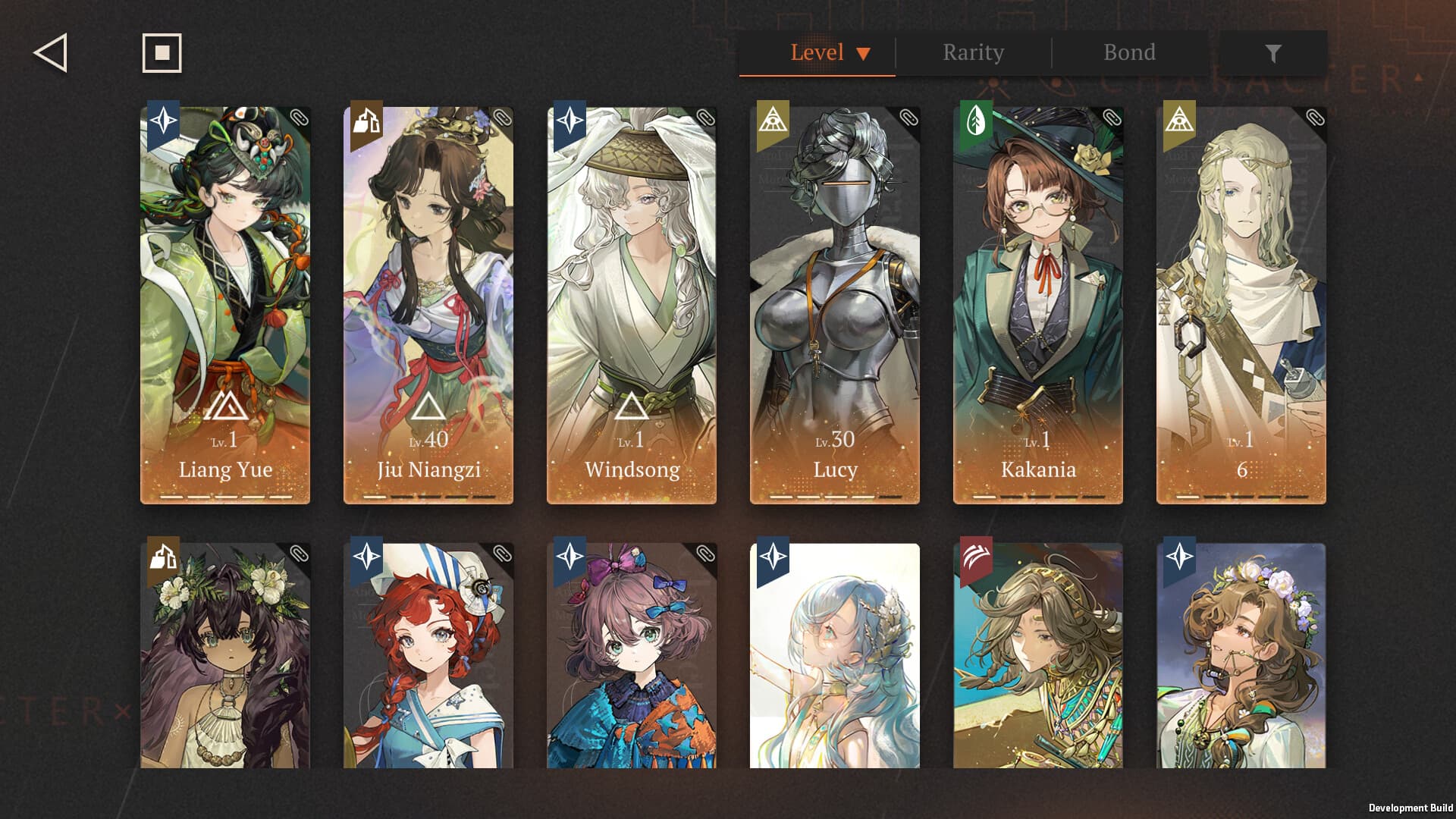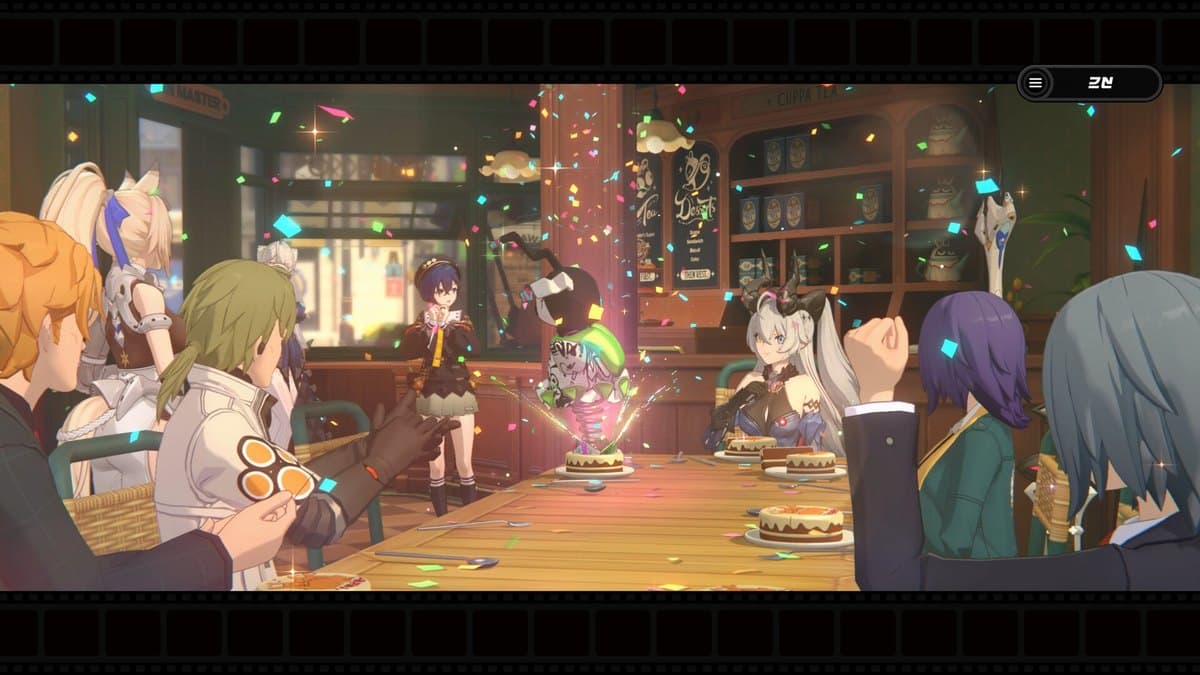
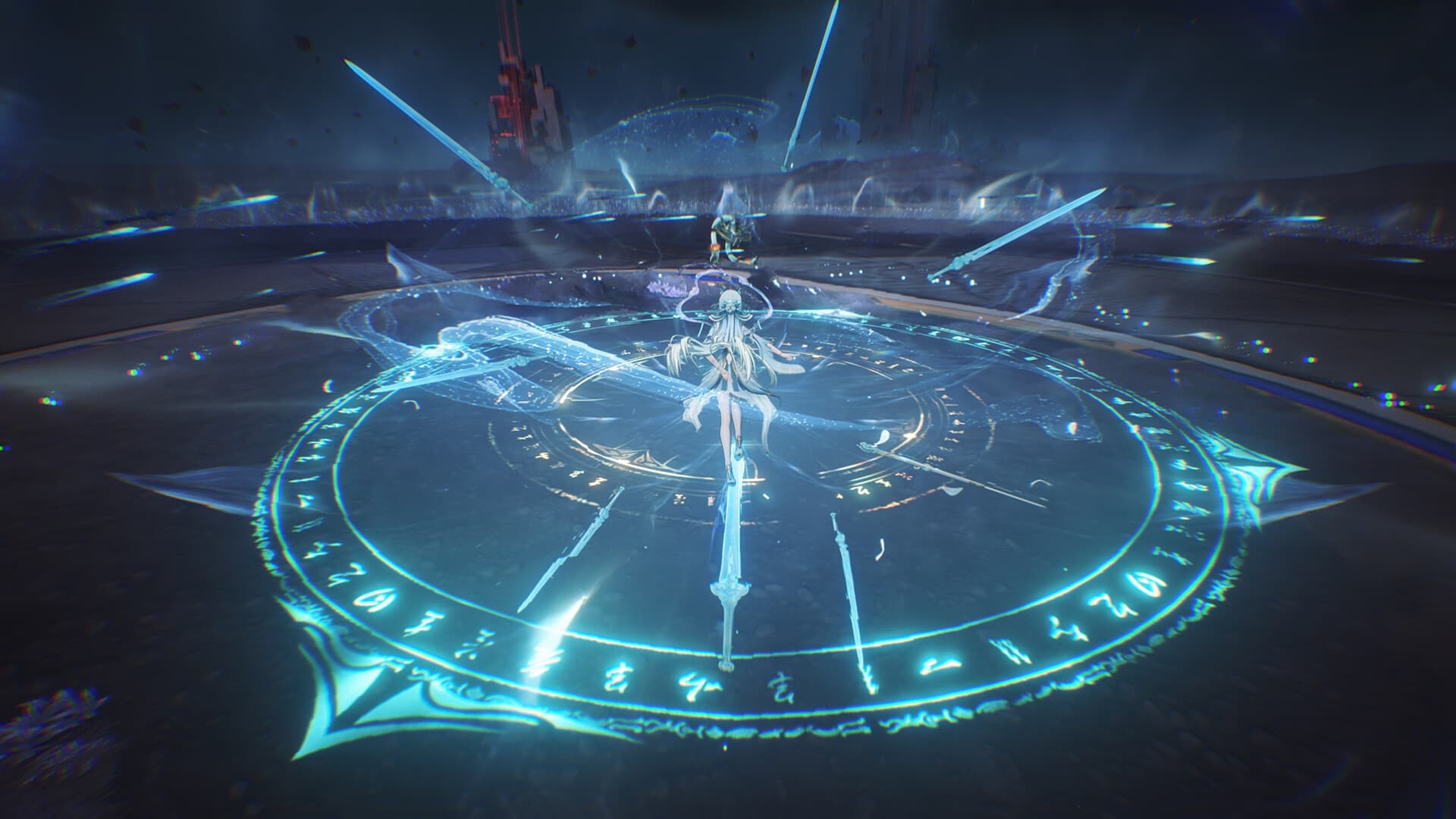
There is a specific jolt that hits when you open your gacha and see a character who does not belong there. Not a new original design, but a face you already know, from an anime you watched a decade ago, a game you finished twice, a series you have loved long enough that seeing it here, in this app you open every morning, feels like two parts of your life shaking hands. That jolt is the whole reason collabs exist, and it is one of the most reliable emotional buttons the genre has ever found.
Crossovers are borrowed excitement. The game did not build your attachment to the guest character; some other studio did, years ago, and the gacha simply reaches over and cashes in the feeling. When it works, it works enormously.
Why the guest always outsells the home team
Watch the numbers around any big collab and a pattern emerges: the crossover banner is often the most-pulled event of the year, sometimes by people who do not even like how the guest fits the game. That is because a collab unit is not competing on kit or meta. It is competing on a decade of accumulated affection you already carry.
An original character has to earn your investment from zero across the length of a story arc. A guest arrives pre-loved. You do not need to be sold on wanting them, you have wanted them since before this game existed, and the banner just gives that old want a checkout button. Studios understand this precisely, which is why the biggest crossovers are treated as tentpole events with their own storylines, voice work, and marketing budgets, the kind of production the game reserves for its own headline units. Our best gacha collabs ranking is really a ranking of who cashed that affection in most gracefully.
The special cruelty of "limited, and never again"
Here is where collabs turn the screw harder than any normal banner. A regular limited character will, eventually, get a rerun. You can miss them and catch them next year. A collab character usually cannot come back, because the license that allowed them was temporary. When the crossover ends, the guest leaves, and in many games they leave forever.
That changes the math in your chest. A normal banner asks do you want this enough to pull now, or can you wait? A collab banner removes the second option. There is no later. If the character from the series you have loved for years is standing in your gacha for three weeks, the quiet threat underneath the excitement is that this is the only three weeks there will ever be. It is the purest, least negotiable form of the limited-event pressure the genre runs on, and it is why people who never spend will break their own rules for a collab. The fear of missing out has a face this time, and it is a face they already love.
When it is clumsy, and when it sings
Not every crossover lands. The clumsy ones feel like a costume: a beloved character dropped in with a generic kit, a token story cameo, none of the texture that made them matter in their home series. You pull them out of loyalty and then feel faintly cheated, because the thing you loved did not actually make the trip. Only the silhouette did.
The great ones understand that a collab is an act of translation, not a paste job. They rebuild the guest's fighting style in the host game's systems so it reads like them. They write the crossover story so the two worlds have an actual reason to touch. They get the original voice cast back. When a studio treats a borrowed character with the same care the original creators did, the result is more than fan service, it is a genuine gift to two fandoms at once, and it is why certain crossovers, a legendary Fate collaboration here, an unexpected pairing there, get remembered for years after the banner closes.
What a game reveals when it borrows an icon
There is a subtle tell in how a game handles a collab. A crossover puts the host game directly next to something else players love, on the same screen, in the same combat, and the comparison is unavoidable. A game confident in its own identity absorbs a guest and makes them feel at home. A game unsure of itself gets upstaged by its own event, the borrowed icon shining brighter than anything the studio made itself.
The best collabs manage a strange trick: they make you love the host game more for having hosted so well, the way a good party makes you think better of the person who threw it. The guest leaves when the license expires, but the memory of how gracefully your game welcomed them stays, and that afterglow is worth more to a live-service title than any single banner's revenue.
The handshake
Strip away the FOMO and the license talk and what a collab really offers is that first jolt, unrepeatable and a little bit magic: two things you love, in the same place, at the same time, for a little while. It is borrowed excitement, yes. But borrowed excitement is still excitement, and there is something quietly lovely about a hobby that occasionally reaches across to another one you hold dear and lets them shake hands.
Just know the handshake has a clock on it. That is the deal collabs make, and knowing the deal is the only real defense you get. For a broader look at how outside media flows into these games, our piece on the gacha that becomes an anime covers the traffic going the other direction, and the best gacha collabs of 2026 ranks who made the trade most worth it.