Every seventh night the sky turns red and everything that wants you dead runs at your walls at once. The blood moon horde is the heartbeat of 7 Days to Die, and it is the thing that separates a base you love from a pile of rubble you rebuild in the morning. The trap most survivors fall into is thinking a horde base is a one-time build. It is not. The horde grows with you, and a fort that shrugged off night seven will be swimming in feral zombies by night twenty-one.
So before you place a single block, you need to understand the two things the horde actually responds to: your game stage, and your base's pathing.
Game stage decides who shows up
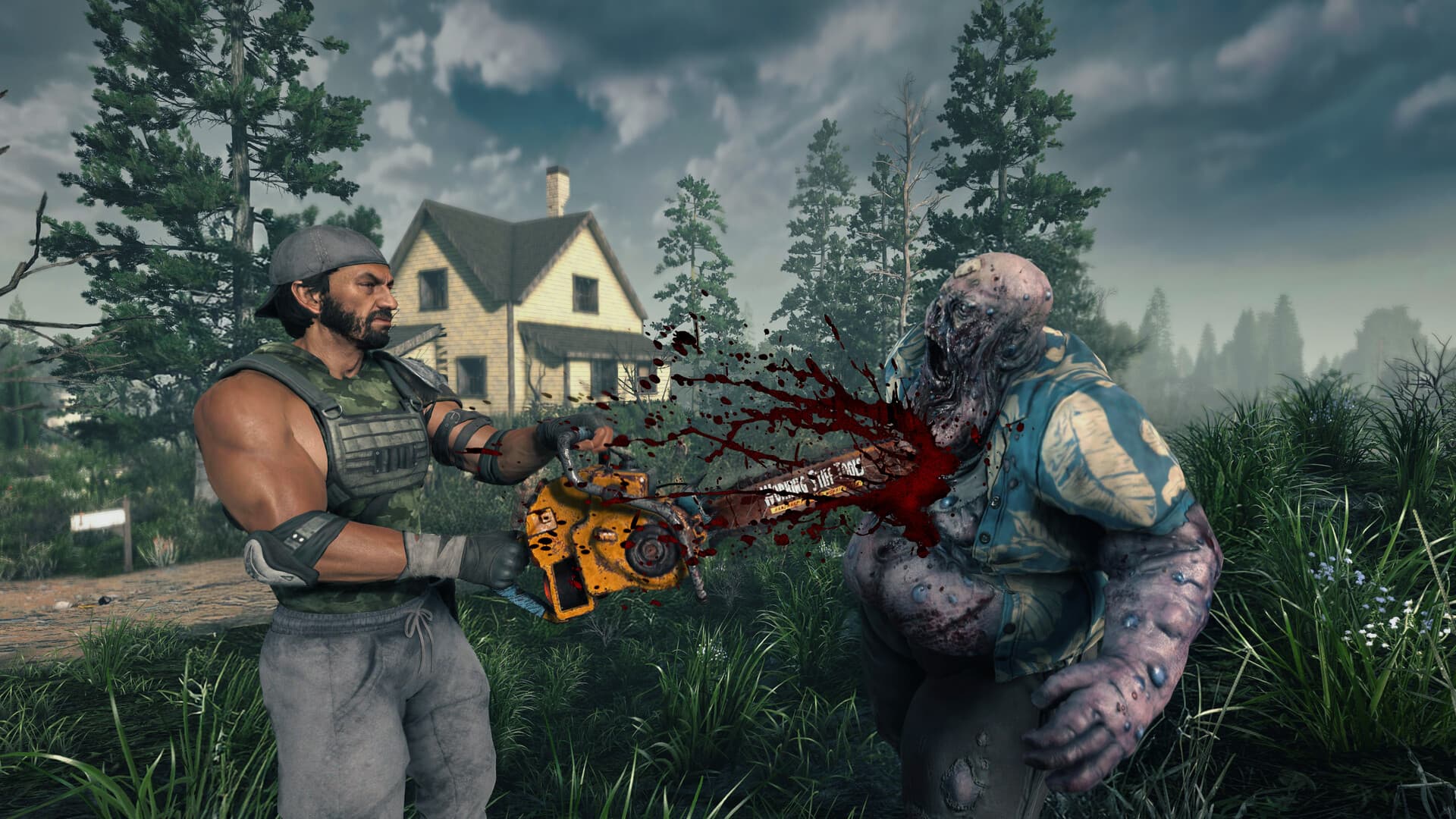
The size and nastiness of a blood moon is set by your game stage, a hidden number built from your character level, the days you have survived, and how many zombies you have killed. As it climbs, the horde does not just get bigger. Its roster shifts. Early nights are shambling regular zombies you can outrun. Later, you get ferals that sprint, radiated ones that regenerate, Cops that vomit corrosive bile and burst on death, and eventually Demolishers, hulking specials with a chest button that detonates and levels whatever it touches.
The lesson: tune your defenses to your game stage, not to the last horde you beat. If you have been power-leveling, your next blood moon is punching above the day count on the calendar, and a base rated for shamblers will not hold sprinters and Demolishers.
Pathing is the whole game
Zombies in 7 Days to Die are not dumb. On a blood moon they do not wander; they path to you along the cheapest route, and if the cheapest route is a wall, they will tear through it, and if the shortest line runs through the ground, they will dig. This single behavior is the foundation of every good horde base, because it means you can decide where the swarm goes by controlling which path costs them the least.
That flips base design on its head. You are not building a box to hide in. You are building a funnel that offers the horde one obvious, inviting route straight into a place where you can kill them safely. Every strong horde base is some version of the same idea:
- Separate your horde base from your home base. The place you store loot, craft, and sleep should not be the place two hundred zombies are chewing on. Keep them apart so a bad night costs you the horde base, not your entire operation.
- Build up, with real support. Elevation buys you time and a melee window, but 7 Days to Die enforces structural integrity, so an overhang or tower needs grounded support or it collapses under its own weight and yours.
- Offer one path. Knock out the stairs, leave a single ramp or jump gap, and force the swarm to queue single-file into your kill zone instead of swarming every face of the building at once.
- Give yourself a fighting position. A gap they path across, a corridor they funnel down, or a drop they tumble into, with you safely on the other side of a bar or a one-block window.
Get the pathing right and even a modest base turns the horde into a line you shoot down one at a time. Get it wrong and it does not matter how thick your walls are, because they will find the weak block and come through it.
Traps: stall, then shred
Melee and guns do the killing, but traps do the crowd control that keeps you from being overwhelmed. Layer them down the path the horde is forced to take, and remember every electrical trap needs power.
- Electric fence posts stun and stall, holding zombies in place so your other traps and your gunfire have time to work. They are the cornerstone of a trap corridor.
- Blade traps chew through anything standing on them, which is exactly what the fences create: a stalled crowd standing still.
- Dart traps fire down a corridor and add ranged damage that reaches deeper into the line.
- Spikes are the early-game answer before you have power, slowing and damaging the horde at ground level while you hold a roof.
Power those traps with a generator bank or a solar setup, and plan your wattage and wiring before the night starts, not at 21:59. A trap corridor with no juice is just decoration.
Materials have to climb with you
The other half of surviving later blood moons is upgrading what your base is made of, because a Demolisher goes through wood like paper.
Early on, wood frames get you through the first couple of hordes. The moment you can, move to cobblestone, then to concrete, and eventually to reinforced concrete and steel for the blocks taking direct hits. If you are still in the wood age when the game stage is throwing ferals at you, the horde will find the weakest block and open a hole. Before you can pour concrete, a reliable stopgap is to fight from the roof of an existing concrete building and knock out the ladders and stairs so the only way up is the path you control.
Running the night itself
Building the base is half of it. Playing the night is the other half.
- Be sealed in before 22:00. The horde spawns at night's start, and getting caught in the open at the beginning is how runs end. Have the door shut and your fighting position set before it triggers.
- Manage the specials, do not panic-shoot them. A Demolisher's chest button is a detonator, so shoot the body, not the button, unless you want to blow a hole in your own wall. Kill Cops at range so their death burst and bile do not reach you or the structure.
- Watch your walls, not just the crowd. If zombies stop taking your intended path and start hammering one spot, they have found a cheaper route. Patch it or repair it mid-fight, because a single opened block funnels the whole horde through it.
- Do not relax at 03:00. The toughest specials tend to arrive near the peak of the night, not the start. The horde thins out toward dawn, and that is exactly when overconfidence gets bases cracked open.
The morning after
A horde base is a living project. Every blood moon you survive is data: which wall took the most hits, where the pathing broke, which trap ran out of ammo or power. Reinforce the block that nearly failed, extend the corridor the swarm bunched up in, and upgrade the material one tier before your game stage forces you to. Do that every seven days and the horde never catches up to you.
For getting a crew onto the same map so you are not facing the blood moon alone, our 7 Days to Die server guide covers the setup, and co-op survival etiquette keeps a shared base from falling apart between hordes. If you are hunting your next apocalypse, the best zombie survival games of 2026 and the wider best survival games list are where to look.