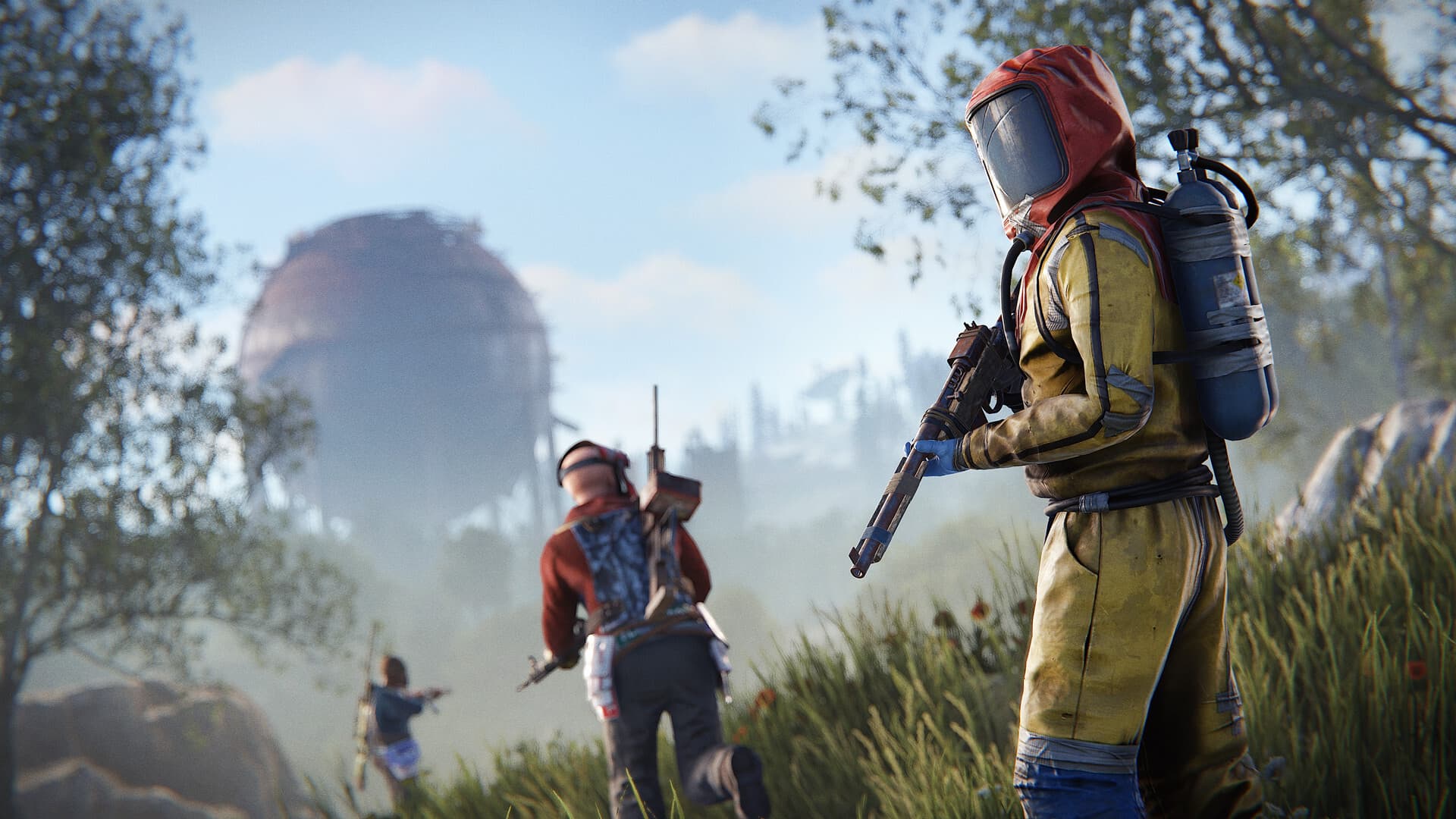
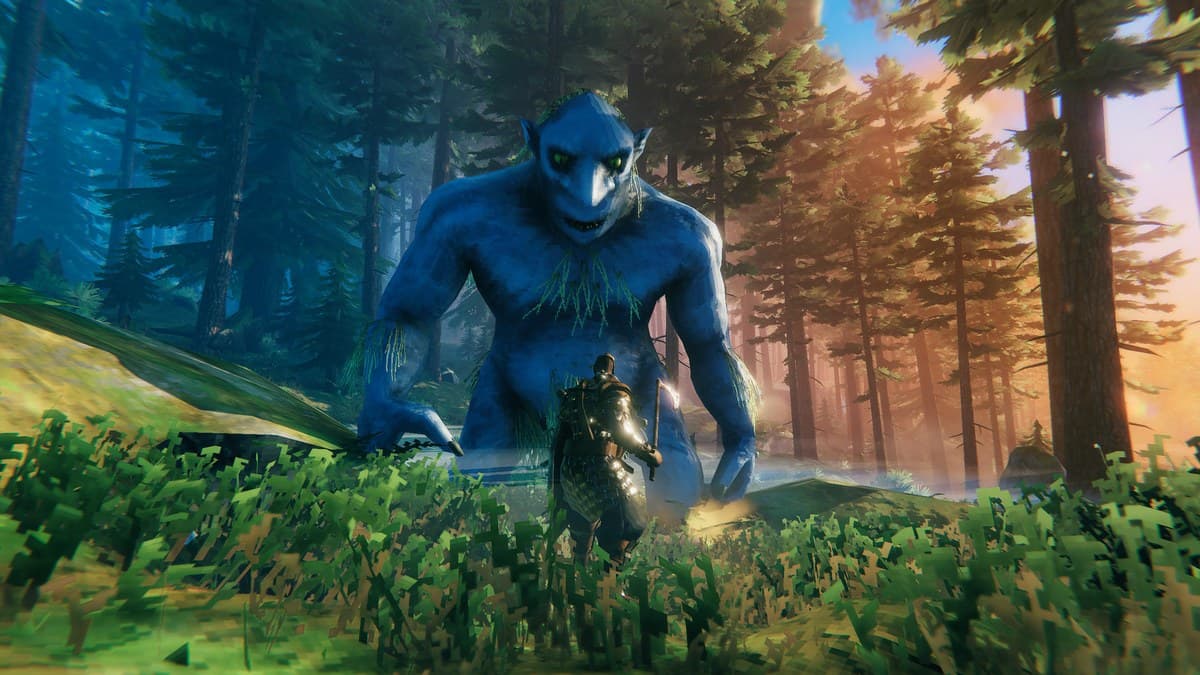
The first weekend is always perfect. You wash up on a strange shore with nothing, you punch a tree, you build a shack, you kill the thing that has been killing you, and every single hour feels like it earns the next. Then, somewhere around hour 30, the magic goes quiet. The group chat that was blowing up on Saturday is silent by the following Thursday. Nobody quit angry. Everybody just... stopped logging in.
If that story sounds like every survival game you have ever loved and abandoned, you are not fickle and the games are not broken. You hit a wall, and it is the same wall every time.
The Wall Is Where Discovery Ends and Maintenance Begins
The magic of the early hours is a very specific feeling: constant, legible discovery. Every hour unlocks something. A new tool, a new biome edge, a first real base, the death of the boss that owned you. Progress is loud and immediate, and your brain treats each unlock like a small reward because it is one.
The mid-game is when that curve flattens. The map is mostly known. The core loop, gather, craft, upgrade, is now a habit instead of a revelation. The next tier of gear is not a mystery to solve, it is a checklist to grind. Discovery quietly becomes maintenance, and maintenance does not light up the same part of your brain. Nothing failed. The game simply asked you to switch from exploring a world to operating a to-do list, and it did not tell you it was doing it.
Three Things That Land at Once Around Hour 30
The wall feels sudden because a few separate pressures tend to arrive together.
- The grind gate. Most survival games pace their back half with material walls: you need a lot of a mid-tier resource to unlock the next tier. Individually reasonable, collectively they turn a session into a supply run. The dopamine of discovering iron becomes the chore of farming iron.
- The base plateau. Your starter base was a triumph. Your second base is a project. Somewhere in there, building shifts from "I need shelter" to "I should really optimize my smelter layout," and optional perfectionism replaces urgent necessity. Some players love that turn. Many silently check out at it.
- The friend-group desync. This is the quiet killer of co-op runs. One person no-lifes to the next boss while another can only play weekends, and within two weeks the group is spread across three tech tiers. Nobody wants to admit they have fallen behind, so they just stop showing up. The world dies not from boredom but from schedule drift.
That third one matters more than any design lever, because survival games in 2026 live and die on their communities. A world is only as alive as the friends still returning to it.
How to Climb It Instead of Quitting at It
The wall is beatable, but not by grinding harder. It is beaten by changing what you are chasing.
- Set a session goal, not a game goal. "Beat the game" is a wall. "Tonight we clear that swamp crypt" is a door. Small, legible, finishable objectives restore the early-game feeling of every hour earning the next.
- Skip the optional grind on purpose. You do not owe the game a perfect base or a full resource stockpile. Rush to the next real unlock and let the min-max wait. The players who finish survival games are usually the ones who refuse to farm what they do not need yet.
- Protect the group's tempo. The single best anti-burnout move in co-op is a standing night. Agree that nobody progresses the shared save solo, so the group hits milestones together and no one falls behind. This is the practical half of the co-op survival etiquette that keeps a world alive.
- Lean on the wiki to cut the boring part short. A lot of mid-game drag is not the content, it is the uncertainty: not knowing what you need or where it is. Walking into a biome already knowing the food, gear, and threat that matter turns a grind into a plan. That is exactly what our game guides are for, from a Valheim boss route to a food and buff guide.
Why This Keeps Happening in 2026
The wall is not going away, and part of the reason is structural. As more survival games chase the race to 1.0, the pressure is on wide, systems-heavy worlds that reward hundreds of hours, which means longer stretches of maintenance between the loud discovery beats. The games that handle it best are the ones that keep seeding surprises deep into the back half: a strange new biome, a mechanic that reframes old areas, a reason to revisit the map with new eyes. It is the same instinct that separates a healthy live-service world from one stuck on the perpetual unstable branch.
But you do not have to wait on a patch. The next time a run goes quiet around hour 30, resist reading it as "this game is done." Read it as the wall, right on schedule. Pick one small door, drag your friends through it together, and more often than not the magic comes back for another weekend.