There is a specific kind of person who finishes one of the hardest games ever made, sets the controller down, and thinks: too easy. Then they pick it back up and beat it again without ever getting hit. Then they beat it at level one. Then, because that got comfortable, they beat it on a set of drums.
This is not a fringe stunt. It is a whole culture, and it has grown up alongside the soulslike genre like ivy on a castle wall. To outsiders it looks like showing off. Spend any real time around it and you find something stranger and more interesting: a community that treats a finished game not as a closed book but as a new instrument to learn.
The ladder of self-inflicted difficulty
Challenge runs are not random. They follow a rough ladder, and climbing it is the point.
The first rung is the no-death run, sometimes called a deathless or "hitless death would end it" run. Reach the credits without dying once. It sounds modest until you remember these games are designed around dying as a teaching tool. Taking that away turns every fight into a final exam.
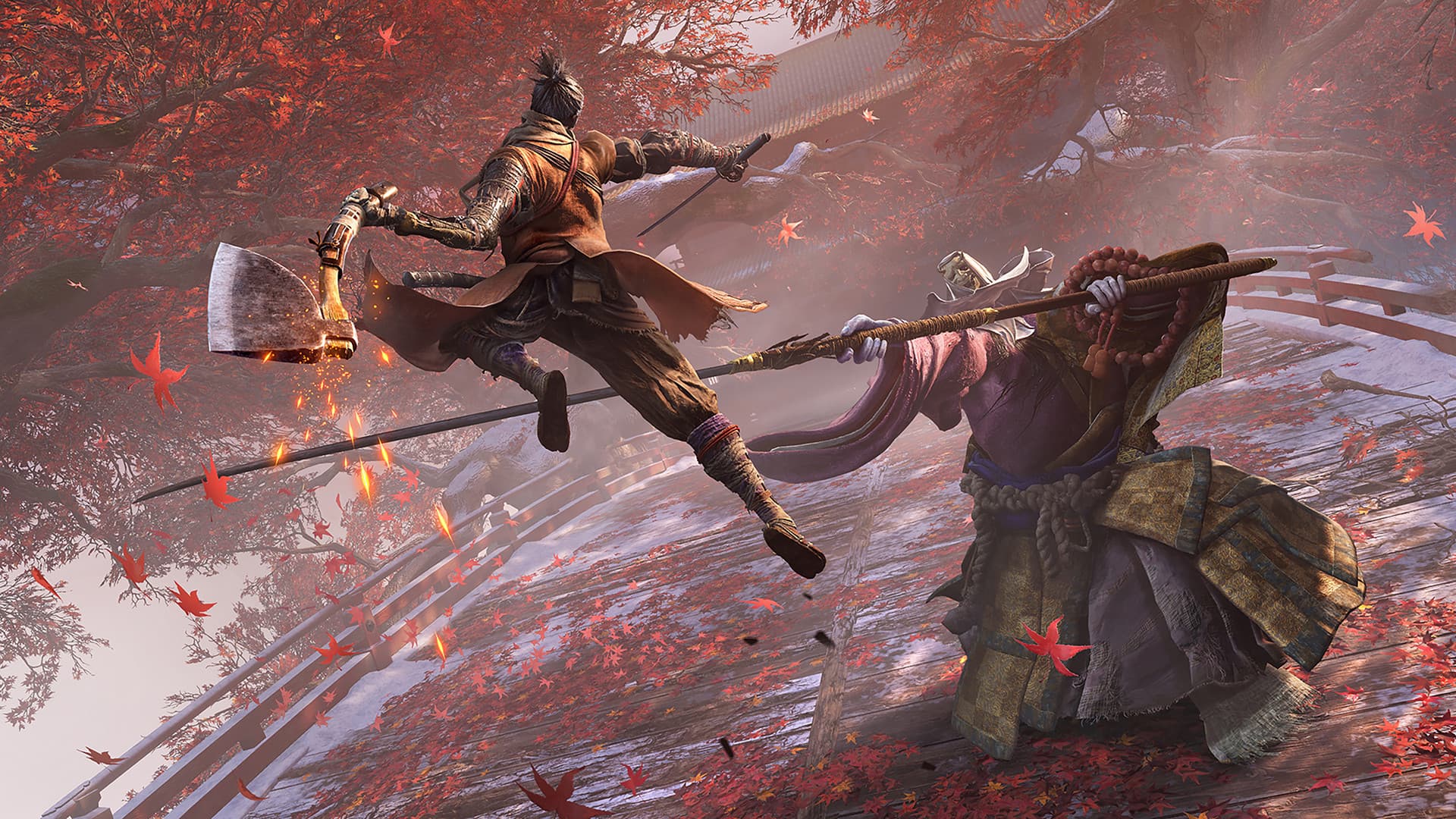
The next rung up is the no-hit run, the crown jewel of the genre. Not "don't die," but "don't get touched." Every boss, every ambush, every unfair-feeling grab attack, cleared without a single point of damage taken. A full-game no-hit run of a big soulslike can take hours of flawless play, and a single mistimed roll in the last boss sends the runner back to the beginning. People do this on purpose, for fun, repeatedly.
From there the constraints get creative. Level-one runs, where you never spend a single point on stats and beat the entire game with the starting build. No-roll runs, giving up the dodge that the whole combat system is built around. No-armor, no-shield, no-healing, no-upgrades. Each one strips away a crutch the developers handed you and asks whether you actually needed it.
Then someone brings out the bongos
The most famous branch of the culture removes the controller itself. Players have cleared soulslike bosses using electronic drum kits, dance pads meant for rhythm games, a single drifting analog stick, bananas wired up as buttons, voice commands, a steering wheel, and in a few legendary cases, no screen feedback at all, playing by sound and memory.
It reads as comedy, and it is genuinely funny. But underneath the joke is a flex about mastery of information. To beat a boss on a dance pad you have to know every attack so completely that your reactions are basically pre-recorded. The instrument is absurd on purpose, because the absurdity is what proves the knowledge. Anyone can win with a good controller. Winning with a worse one says you have the fight memorized down to the frame.
Why these games invite it
Not every hard game grows a challenge-run scene. Soulslikes do, and the reason is baked into how they are built.
These games are legible. Enemy attacks have clear, learnable tells and consistent timings. The difficulty almost never comes from randomness or hidden information, it comes from execution. That is the exact soil a challenge run needs, because a constraint is only fun to master if mastery is actually possible. You cannot no-hit a game that kills you with unfair coin flips. You can no-hit a game that kills you because you rolled a quarter-second early, and knowing the difference is the whole hobby.
The design also treats understanding as the real reward. The intended way to beat a hard boss is not to grind levels until it dies, it is to learn the fight until you deserve to win. Challenge runners simply take that philosophy to its logical end. Once you have understood a boss well enough to beat it, the community asks the natural follow-up: how much of your safety net could you have thrown away and still won? The answer, over and over, turns out to be "almost all of it."
The theater of it
There is a performance layer too, and it is a big part of why the culture spread. A no-hit run is thrilling to watch precisely because the stakes are visible and the failure state is total. A streamer forty minutes into a flawless attempt, one hit away from losing everything, is better tension than most scripted entertainment. The audience knows exactly how much a single mistake costs, because they have made that mistake themselves.
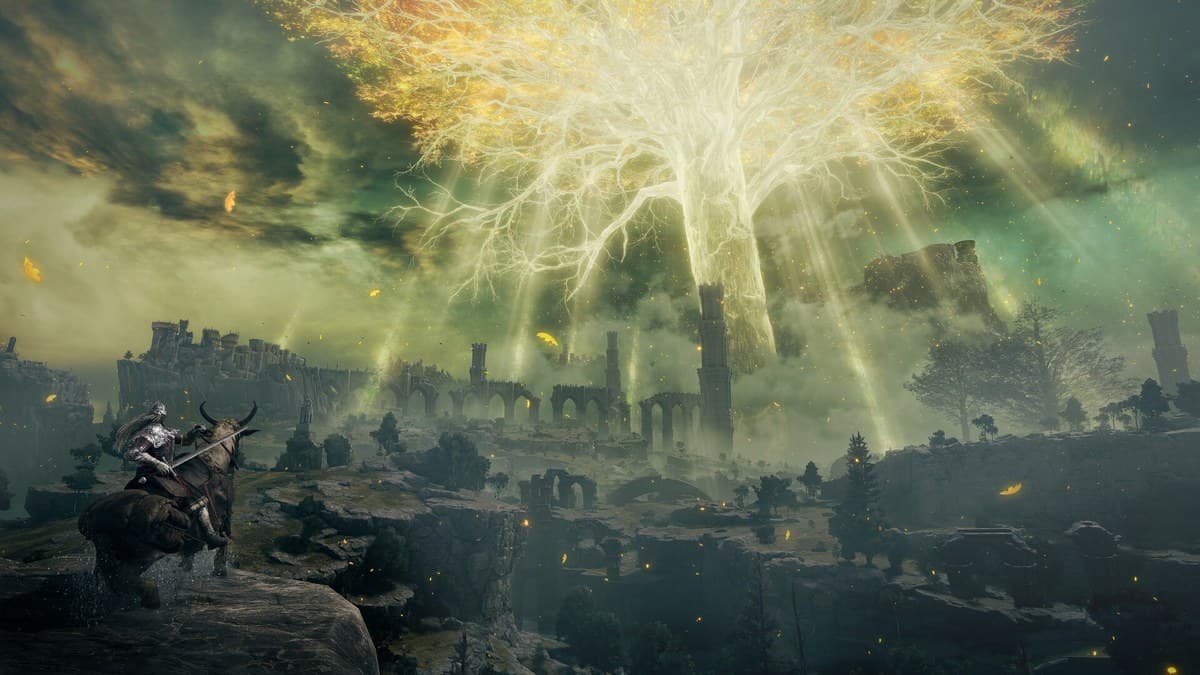
Elden Ring gave the culture its folk hero in the player who camped outside the game's hardest boss to help strangers beat her, wearing nothing but a jar on his head and carrying a katana. He was not doing a challenge run in the strict sense, but he was the same spirit wearing a different hat: someone so far past beating the game that his hobby became beating it for other people, over and over, for the love of the fight. The community turned him into a legend within days, because the community already understood the value system he was operating in.
What the outsider misses
The easy read on all this is that soulslike fans are gluttons for punishment, that they enjoy suffering. That misses it completely. Challenge runners are not chasing pain, they are chasing the moment where a fight that once felt impossible becomes a thing their hands just do. The constraint is not the goal. The constraint is a way to relocate that feeling of first-time mastery, again, in a game they have already conquered.
It is the same instinct that makes a guitarist who can play a song learn to play it faster, or blindfolded, or backward. The song is not the point anymore. The playing is. A soulslike, to the people deepest in this culture, stopped being a game to finish a long time ago. It became a thing to get good at, and getting good has no ceiling.
Start your own climb
You do not have to beat anything on a dance pad to appreciate the mindset. It starts the first time you clear a boss that wrecked you an hour ago and realize the game did not get easier, you got better. If you are just stepping into the genre, our Elden Ring starting class guide sets up a character that gives you room to learn, and when you want more worlds to test yourself against, the best soulslike games to play after Elden Ring is the map. More features live in the guides hub.