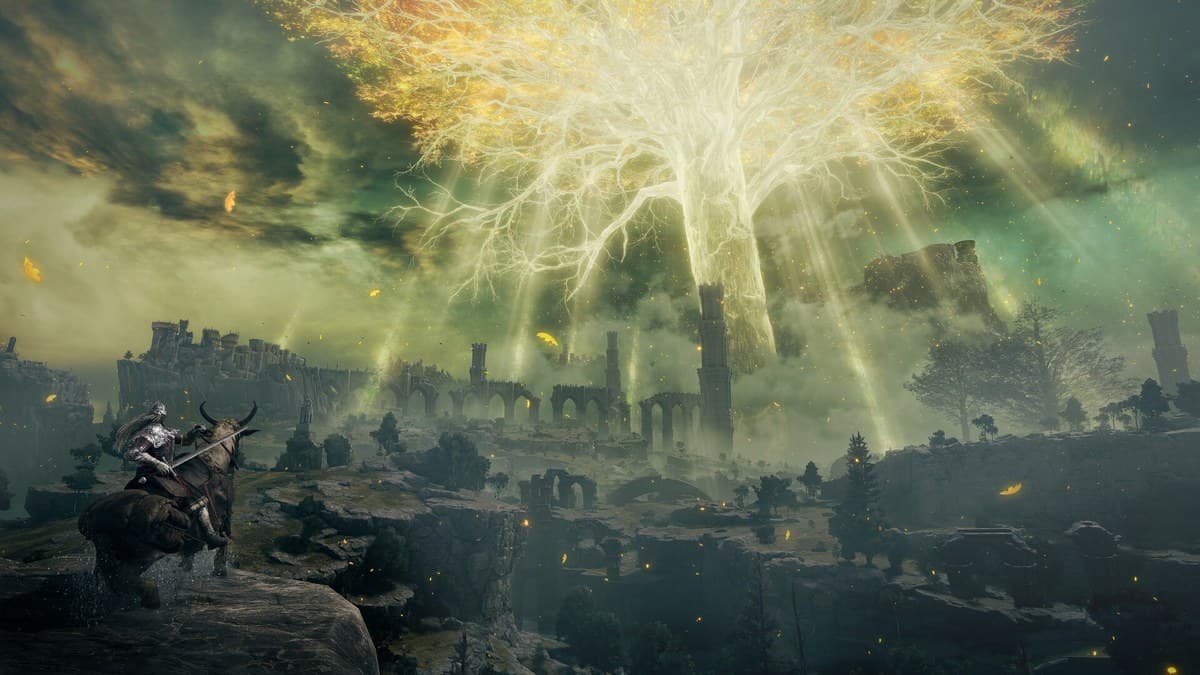
Every year or so, a hard game gets popular enough to escape its own fanbase, and within a week the oldest argument in gaming reignites: should it have an easy mode? The talking points arrive on schedule, the same threads get written with different game names pasted in, everyone leaves angrier, and nothing is resolved. Then a new hard game comes out and we do it all again.
It is worth actually sitting with the question, because underneath the recycled outrage is a genuinely hard design problem, and both sides are defending something real.
What "easy mode" is standing in for
Part of why the argument never lands is that "easy mode" means four different things depending on who is saying it, and people talk past each other because they are not arguing about the same thing.
- A difficulty slider: a menu option that scales enemy damage, health, or aggression up and down. The classic Easy/Normal/Hard.
- Assist options: granular toggles that change specific things: slow-motion, aim assist, invincibility, damage modifiers you dial yourself.
- In-fiction difficulty: systems the game already has for getting stronger. Grinding levels, summoning help, over-gearing. Many "hard" games have an easy mode; it is just spelled "go level up."
- Accessibility features: colorblind modes, remappable controls, subtitles, one-handed schemes, reduced input timing. These are not really about difficulty at all, and lumping them into the debate is where a lot of the heat comes from.
When someone says "this game needs an easy mode," they might mean any of these, and when someone says "no it doesn't," they are usually picturing the crudest version, the slider, and defending against that. Most of the annual war is a definitional mix-up wearing a moral costume.
The case for the vision
The strongest version of the "no easy mode" argument is not gatekeeping, even though it often gets expressed as gatekeeping. It is about coherence.
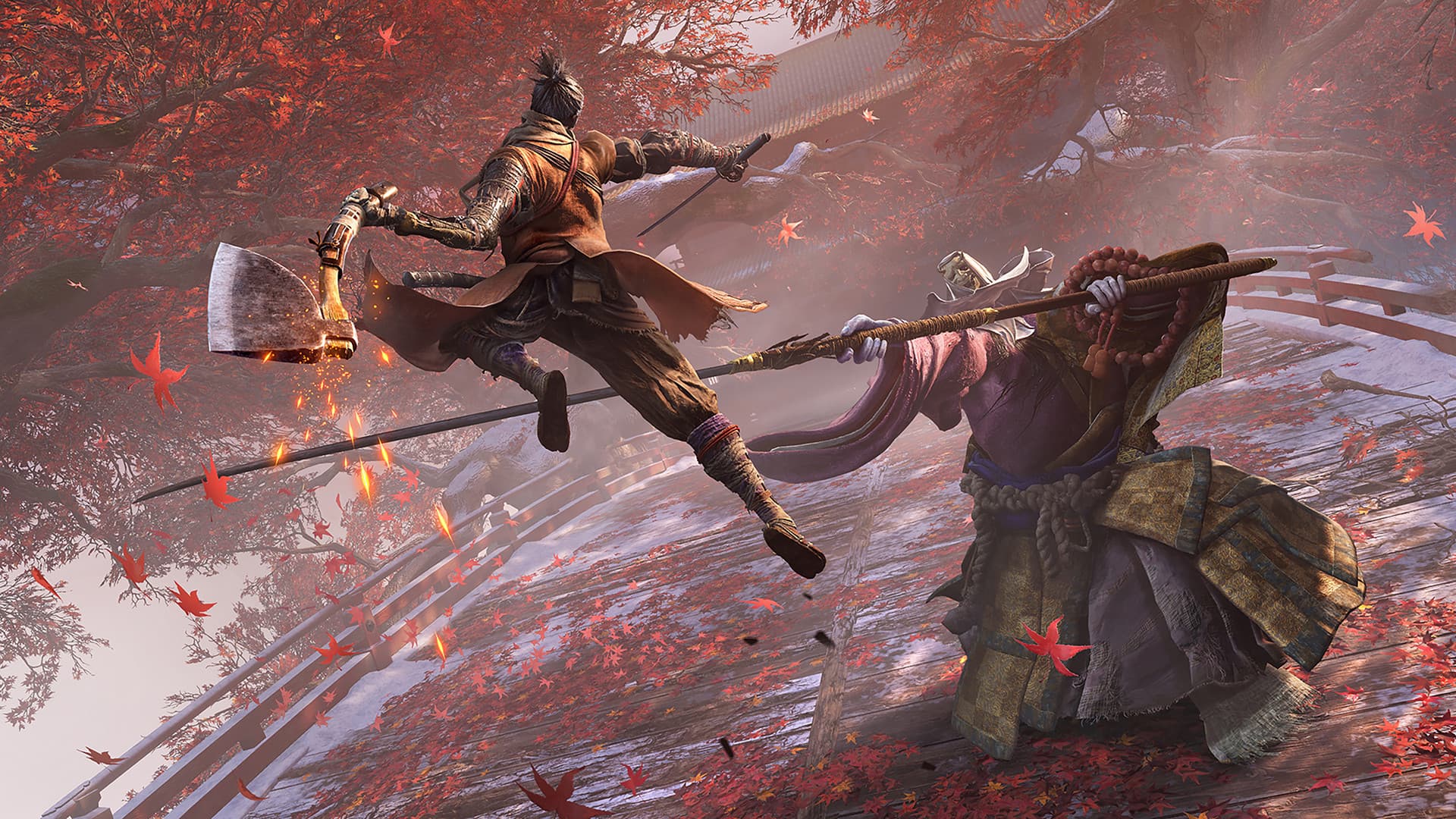
In a certain kind of game, the difficulty is the content. The soulslike is the obvious example. The dread walking into a boss arena, the specific texture of failing eleven times and winning on the twelfth, the way the whole world feels menacing because it genuinely can kill you: that experience only exists because the game does not blink. Dial the numbers down and you have not made the same game easier, you have made a different, lesser game that happens to share the assets. The intended emotional payload, the earned relief of finally winning, requires the possibility of really losing.
Designers who build around difficulty argue that a slider forces them to design for every setting at once, which means designing for none of them well. A boss tuned to be a knife-edge on Normal becomes a limp punching bag on Easy and an unfair sponge on Hard, unless you rebuild its whole moveset per setting, which almost nobody has the budget to do. The single, hand-tuned difficulty is not laziness; it is the thing being made.
This is the same instinct behind challenge-run culture, where players voluntarily make hard games harder. To that crowd, difficulty is not a barrier to the art; it is the art.
The case for the door being open
The strongest version of the "add an easy mode" argument is not "I want to win without trying." It is that difficulty and accessibility get tangled together, and the tangle locks people out for reasons that have nothing to do with whether they would love the game.
A player with a physical disability, a slower reaction time, limited hands-on hours because of a job and kids, or simply a nervous system that does not find repeated failure fun, is not asking to skip the game. They are asking to reach it. When the only path to the story, the world, and the ending runs through execution-heavy combat some people physically cannot perform, the game has quietly decided who is allowed to experience the rest of it. "Just get good" is a fine answer to someone who can get good and won't. It is a closed door to someone who can't.
And the practical evidence undercuts the purists' fear. Plenty of celebrated, difficulty-defined games ship with deep accessibility suites, and their identity survived intact. It turns out you can add remappable inputs, slow-down toggles, and generous assist options without the hardcore experience evaporating, because the players who want the intended tuning simply leave the toggles off. The presence of an easier path does not reach into your game and soften it. Someone else choosing invincibility does not delete your death counter.
Where the argument actually goes wrong
The debate is unproductive mostly because both sides argue against a straw version of the other:
- The "no" side pictures the "yes" side as people who want trophies for nothing and who would ruin a masterpiece to spare their own ego. Mostly they want to see the ending of a game they bought.
- The "yes" side pictures the "no" side as insecure gatekeepers hoarding an identity. Mostly they are protecting a specific, fragile aesthetic experience that genuinely does depend on stakes.
Both caricatures contain a few real people. Neither describes the bulk of either camp.
The other failure is treating it as one binary decision. It is not "slider or no slider." A studio can ship the single authored difficulty it cares about and a full accessibility layer and generous in-game tools for the struggling, and let the fiction (summons, grinding, optional gear) be the pressure valve instead of a menu. The best-handled hard games already do exactly this, which is why the loudest fights tend to be about the games that offer the least on all three fronts.
A more honest way to frame it
If you want to argue about this without generating heat and no light, a few reframings help:
- Separate accessibility from difficulty. Colorblind modes, remapping, and input timing are not "easy mode" and should never be a debate. Settle that first and the real disagreement gets much smaller.
- Ask what the game is actually about. If the difficulty is the point, protecting the authored tuning is legitimate. If the difficulty is incidental to a story or world, refusing options is harder to defend.
- Remember that a toggle is opt-in. An assist option you never touch costs you nothing. Your run is exactly as hard as you set it, no matter what anyone else selects.
- Notice who is being kept out, and why. "Too casual to bother" and "physically cannot play" are not the same person, and a good difficulty conversation keeps them separate.
The easy-mode debate is never going to end, because it sits on top of two things people genuinely, reasonably care about: the integrity of a crafted experience, and the right to reach a game at all. The mistake is pretending only one of those matters. A game can respect its own vision and leave the door open. The annual war mostly happens because we keep insisting it has to choose.
For more from the culture desk, from beating hard games on purpose to the broader shifts in how we play, browse the full HostedGG blog. And if you are here for the games themselves, our best soulslike games after Elden Ring list is a good next stop.