Here is a fact that should be stranger than it sounds: the survival genre, one of the biggest and most durable categories in gaming, was not designed by a studio. It was hacked together by hobbyists modding games that were about something else entirely, and the industry spent the next decade catching up to what a handful of amateurs proved could work. If you have ever sunk a weekend into a survival game, you owe that weekend to unpaid tinkerers who never asked permission.
This is the story of the mod-to-standalone pipeline, and why it remains the most reliable source of genuinely new ideas in an industry that mostly copies itself.
The blueprint: Counter-Strike and Dota walked so everyone could run
Before survival, the pipeline had already produced two of the most influential games ever made, and both started as mods.
Counter-Strike began in 1999 as a mod for Half-Life, made by two people. Valve did not invent it; they noticed it, hired the modders, and turned a free add-on into a franchise that has defined competitive shooters for a quarter century. Dota followed the same arc from the other genre: a custom map inside Warcraft III, built and maintained by volunteers, that spawned an entire category and eventually a standalone sequel. The lesson the industry filed away was simple and a little humbling. The best new idea in your game might be one a stranger bolts onto it for free.
Survival took that blueprint and ran.
DayZ: the accident that started a genre
The modern survival craze has a clear origin point, and it is a mod.
In 2012, a New Zealand modder named Dean Hall built DayZ on top of the milsim shooter ARMA 2. ARMA was a serious, dry military simulator. DayZ turned its enormous, punishing map into a zombie-survival sandbox where other players were the real threat, permadeath meant something, and a can of beans could be a life-or-death find. It was janky, ugly, and running on an engine that was never meant for it.
It also became a phenomenon overnight, and it dragged ARMA 2 back up the sales charts years after release. More importantly, it established the entire vocabulary the genre still speaks in: loot scarcity, permadeath tension, and the specific dread of seeing another player on the horizon and not knowing their intentions. Every survival game since has been in conversation with DayZ, whether it admits it or not. The standalone version that followed proved the harder lesson too, one we still see play out in the perpetual early access culture: turning a beloved mod into a finished product is far harder than making the mod.
Rust, and the studios that learned to listen
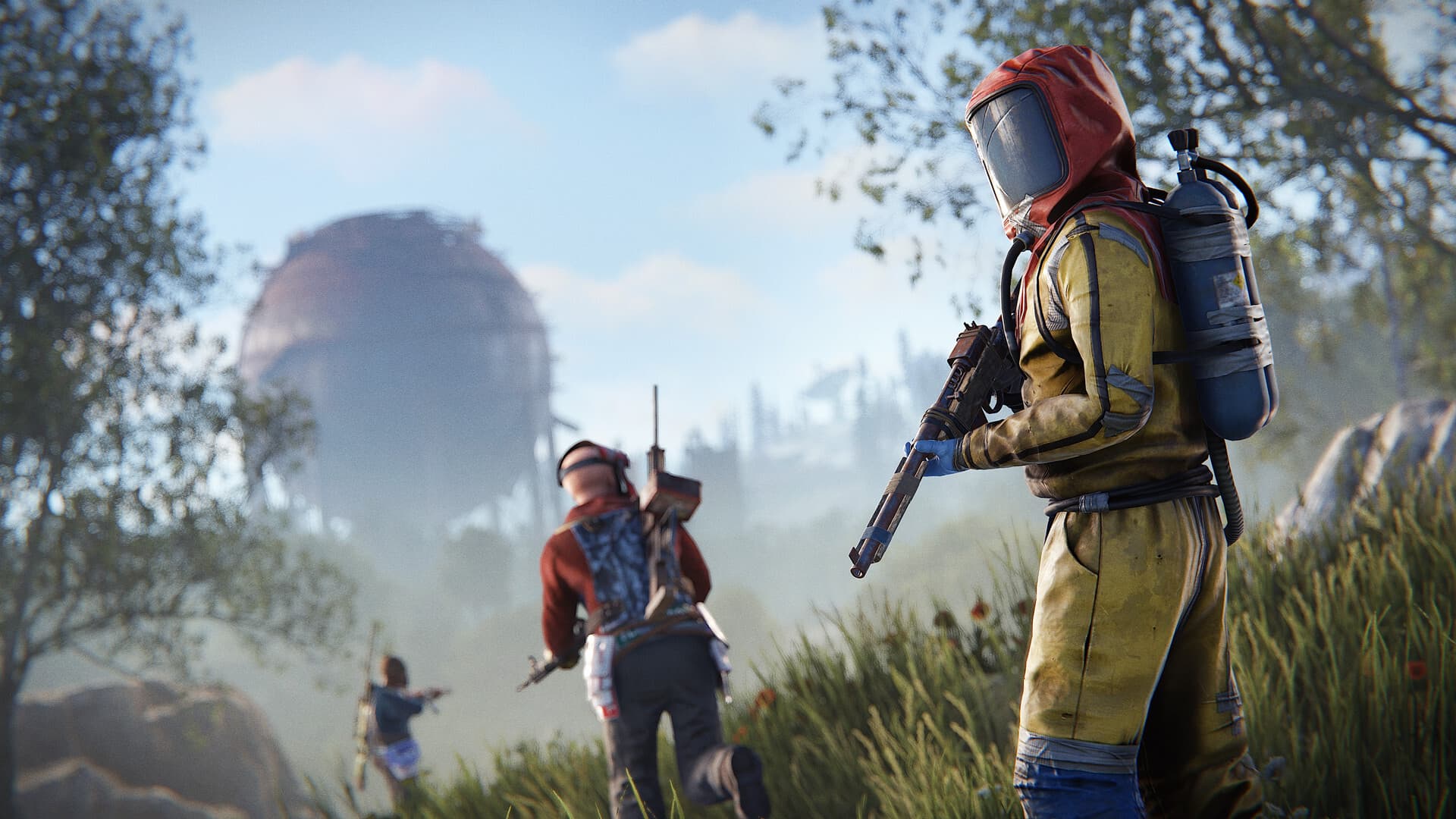
The clearest sign that the industry had internalized the pipeline is what happened next. Rust was made by Facepunch Studios, the team behind Garry's Mod, itself a Half-Life 2 mod that became a storefront staple and a platform for thousands of community game modes. A studio born from modding built a survival game directly downstream of DayZ, and it became one of the most-played survival titles on the market.
That is the pipeline maturing. Instead of waiting to discover the next accidental hit, studios that came up through modding started building survival games on purpose, carrying the community-first instincts with them. If you want to see where that lineage lands in 2026, our Rust beginner guide is a decent tour of just how deep the systems got once professionals took the reins.
Battle royale: the same story, one genre over
The survival pipeline has a twin, and it is worth telling because it is the purest example of the whole phenomenon.
The battle-royale genre was, essentially, invented by one modder across a chain of mods. Brendan Greene built Battle Royale game modes for ARMA, refined the format across other projects, and eventually served as the creative force behind PlayerUnknown's Battlegrounds. From that single mod-derived idea came PUBG, Fortnite's pivot to the format, Warzone, Apex, and a genre that reshaped the entire industry and its business models. One person's mod, spread across a whole medium.
The parallel to survival is exact. In both cases, a hobbyist working inside someone else's game found a loop nobody had productized, proved it was compelling, and the studios followed. The auto-battler boom (born from a Dota 2 custom map, spun into standalone games and modes) is a third example of the exact same shape. The pattern is not a coincidence; it is how genuinely new genres are almost always born.
Why the pipeline still matters
You might think this is a story about the past, back when engines shipped with mod tools and communities lived on forums. It is not. The pipeline is quieter now but still running, and it still matters for a few concrete reasons.
- Mods are the cheapest R&D in the industry. A modder risks a weekend to test an idea a studio would spend millions to prototype. The ones that stick have already been validated by real players before a dollar of development is spent.
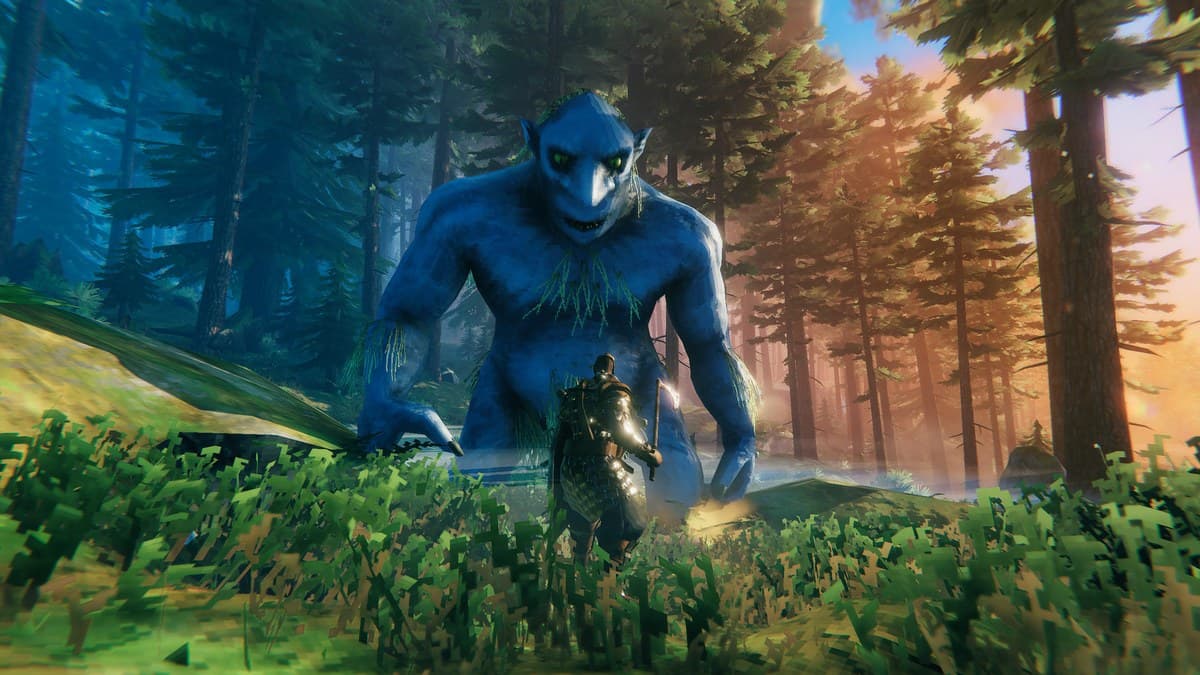
- Moddable games age better. The survival and sandbox titles that keep their communities for years are almost always the ones that let players build on top of them. A healthy mod scene like Valheim's can extend a game's life far past its official content roadmap.
- It keeps the genre honest. When the next big survival idea can come from anyone with an engine and a weekend, studios cannot get too comfortable. The amateur pipeline is a permanent competitive pressure toward actual novelty.
The takeaway
The next time you drop into a survival game, remember that the whole genre is a monument to people who were not supposed to be making games at all. DayZ was built on a war sim. Battle royale was born in a mod folder. Counter-Strike and Dota rewrote two genres from inside other people's games. The studios that dominate these categories now are, more often than not, the ones humble enough to have noticed a stranger's mod and asked to hire them.
That is the healthiest thing about this corner of gaming, and it is worth protecting. If you want to see where the pipeline's descendants stand today, our best co-op survival games of 2026 rounds up the genre DayZ accidentally started. And if you have a piece of survival or modding history we should cover, this is the beat: pitch us a story, held to the standards you can read in our editorial policy.