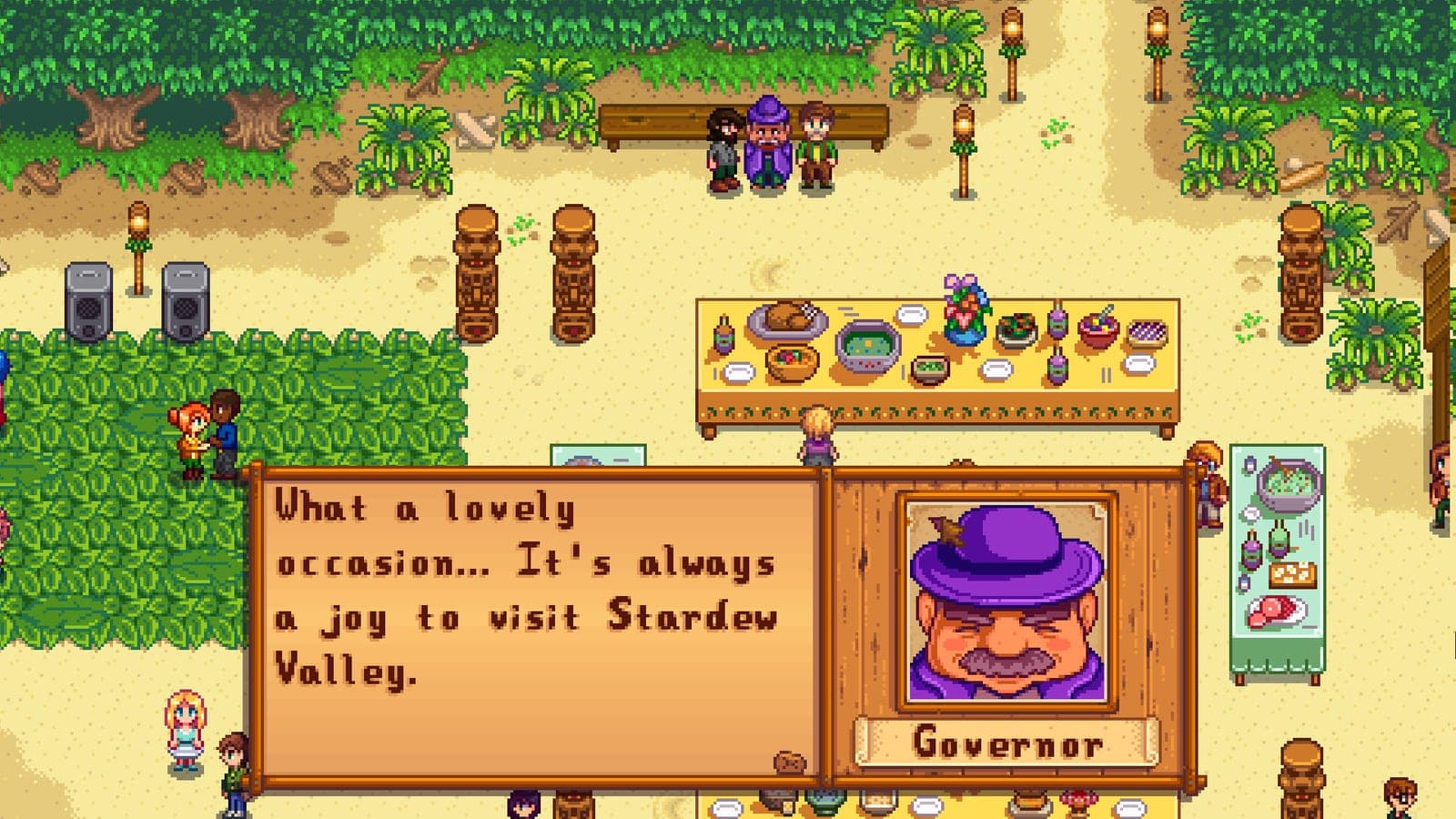
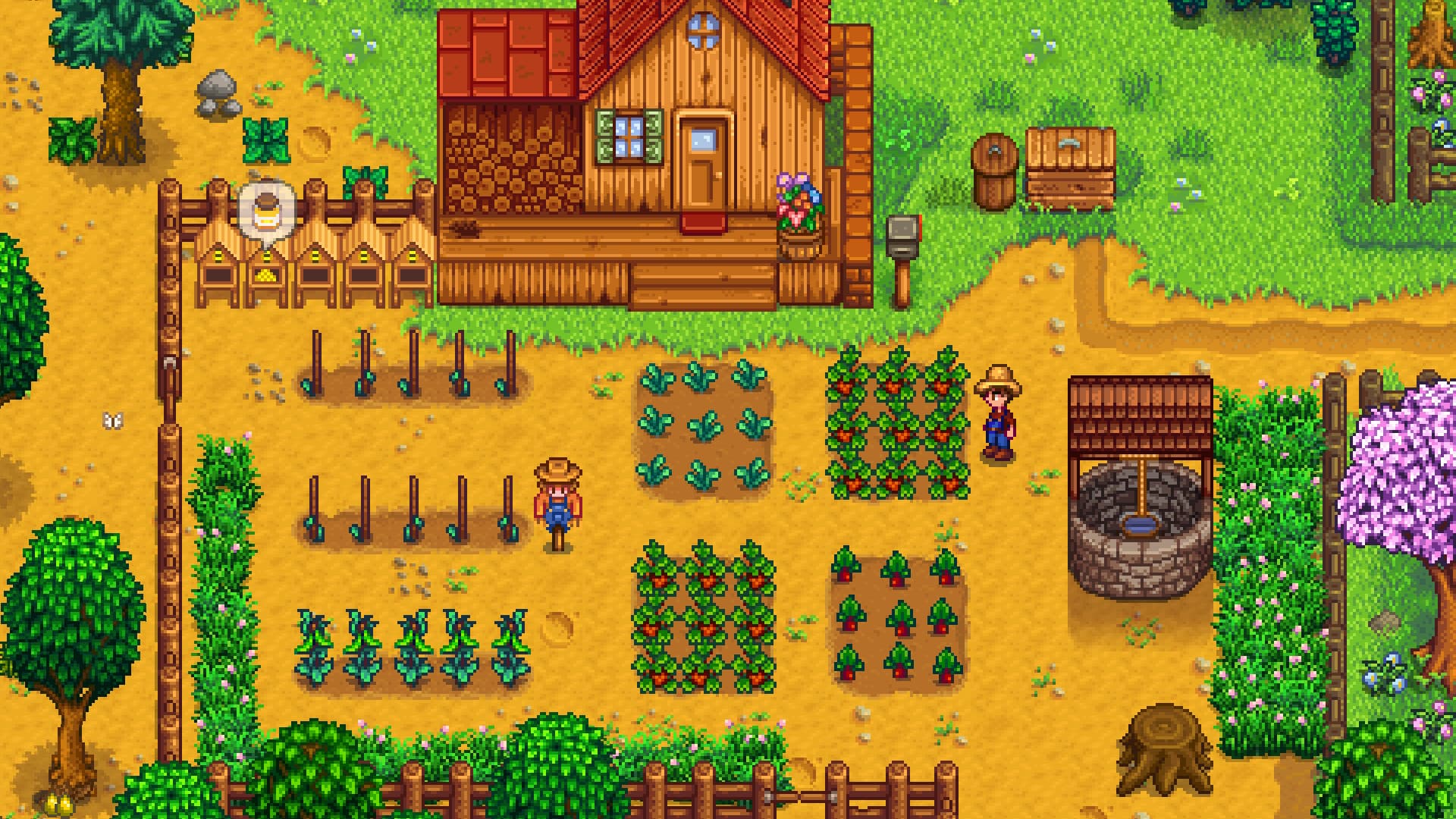
Your first year in Stardew Valley is the one that teaches you the game, and it is also the one people most often stall out in. There is no fail state, which is the charm and the trap: nothing forces you forward, so it is easy to wander for a season and wonder why you are broke. This roadmap fixes that. It is not a min-max spreadsheet, it is a relaxed set of priorities that leaves you at the end of winter with a productive farm, a decent bankroll, and the Community Center already coming together.
One rule underpins everything below: the season timer is the only thing in this game that is actually urgent. Crops die when the season changes. Almost nothing else expires. So the whole art of year one is planting the right things at the right time and spending the leftover hours on whatever you enjoy.
The habits that pay off all year
Start these on day one and they compound:
- Check the TV every morning. The weather forecast tells you when it will rain (free watering, so plant more), and the "Fortune Teller" and "Living off the Land" tips are genuinely useful.
- Never let energy go to waste at night. Before you sleep, if you have energy left, water tomorrow's crops or break rocks.
- Give two gifts a week to people you like. Birthdays aside, that slow trickle builds the friendships that unlock the best cutscenes and rewards.
- Keep some cash for seeds. The number one year-one mistake is spending everything and having nothing to replant.
Spring: plant, meet everyone, and open the Community Center
Spring is your foundation. Clear enough of your farm to plant, and get seeds in the ground immediately, because every day a tile sits empty is money lost.
What to plant: Start with Parsnips (cheap, fast) to get rolling. The real spring earner is Strawberries, but you can only buy the seeds at the Egg Festival on the 13th, so save up and buy as many as you can afford that day. They keep producing for the rest of the season. Cauliflower and Potatoes are solid filler.
The big early goal: After a few days, the mysterious Community Center opens up. Those glowing "Junimo" bundles are a checklist that, when completed, rewards you with things like a greenhouse, a minecart network, and a bridge to the quarry. You will fill them across the whole year, so start noticing what each bundle wants now (specific crops, fish, foraged items) and set those aside instead of selling them.
Also this season: introduce yourself to every villager (the map fills in as you explore), start fishing to learn the timing minigame, and take the first swings at the Mines north of town once they open. Getting to floor 40 for your first real ore is a great spring stretch goal.
Summer: the money season
Summer is where year one is won or lost financially, because it holds the best-value crops in the game.
What to plant: Blueberries are the star. One packet of seeds produces three berries per harvest, repeatedly, all season, which makes them the most efficient crop most players have access to in year one. Fill your fields with them. If you have spare cash and want a gamble, Starfruit sells for a fortune per unit and is the crop to save for wine and preserves later.
Spend the profits on infrastructure:
| Priority | Why it matters |
|---|---|
| Backpack upgrade (Pierre's, 2,000g) | More inventory slots, quality-of-life you feel every day |
| Tool upgrades at Clint | Copper then steel watering can and hoe save huge amounts of time |
| A Coop or Barn | Animals turn into steady daily income and Community Center items |
| Sprinklers (once you can craft them) | The single biggest time-saver; stop hand-watering |
Summer is also prime fishing (the community rewards it) and a good time to push deeper into the Mines toward iron and gold, which you need for those tool and sprinkler upgrades.
Fall: the richest harvest, and the crop that changes everything
Fall has the widest spread of good crops, so diversify. Cranberries are the season's blueberry equivalent (multiple harvests per plant), Pumpkins sell well and are needed for a bundle, and Grapes keep producing.
The thing to watch for in fall is the Ancient Seed. If you find one (from artifact spots, monsters, or the traveling cart) and donate it to the Museum, you unlock the ability to grow Ancient Fruit, which grows once then produces forever and is one of the best long-term money crops in the game. Getting even a few going before your greenhouse is finished sets up your entire second year.
Keep feeding the Community Center. By the end of fall you should have several rooms completed, which means real rewards are landing.
Winter: nothing grows, so build the future
No outdoor crops survive winter, and new players panic. Do not. Winter is the game's built-in breather and its best time to do everything farming crowds out.
- Mine hard. With no crops to water, you have full energy for the Mines every day. Push for the bottom and stock up on ore.
- Fish and forage. Winter has its own fish and the frozen ground hides winter roots and crystal fruit for bundles.
- Max out relationships. You suddenly have time to actually talk to people, hit birthdays, and trigger heart events.
- Catch the Night Market (Winter 15 to 17) for rare items and a bit of spectacle.
- Plan year two. Build a Shed or a Greenhouse-adjacent layout, stockpile seeds, and line up your spring planting so you hit the ground running on the first of Spring.
What to happily ignore in year one
Because the game never rushes you, it is easy to feel behind on things that do not matter yet. You can safely put these off: perfecting your farm layout, marriage, the Skull Cavern desert content, and completing every bundle. None of it expires. Chase the seasonal crops, keep the Community Center ticking, and let the rest come when it comes.
End your first year with sprinklers in the fields, animals in a barn, a few rooms of the Community Center done, and a stack of ancient fruit or starfruit seeds ready for spring, and you are set up for a second year that runs itself.
Where to go next
Stardew is the game that turned a generation onto the cozy loop of small daily progress, and if year one leaves you wanting more of that feeling, our list of the best games like Stardew Valley to play in 2026 points to the farms, towns, and life sims worth planting roots in next. If you find yourself booting it up on hard days more than any other game, you are not alone, and our piece on why we replay the same comfort games forever explains the pull. More beginner roadmaps live in the guides hub.