Roguelikes are built on a cruel promise: you will lose, you will lose everything, and you will immediately start again. What separates a great one from a merely fine one is whether that reset feels like punishment or like an invitation. The best of them make death the most interesting thing that can happen to you, because it hands you a blank slate and a hundred new decisions.
The genre has splintered into wildly different shapes, so we ranked across all of them, from poker deckbuilders to twin-stick shooters, on one question: how badly does "just one more run" pull at you when you should be asleep? Here are the ones that pull hardest in 2026.
1. Hades II
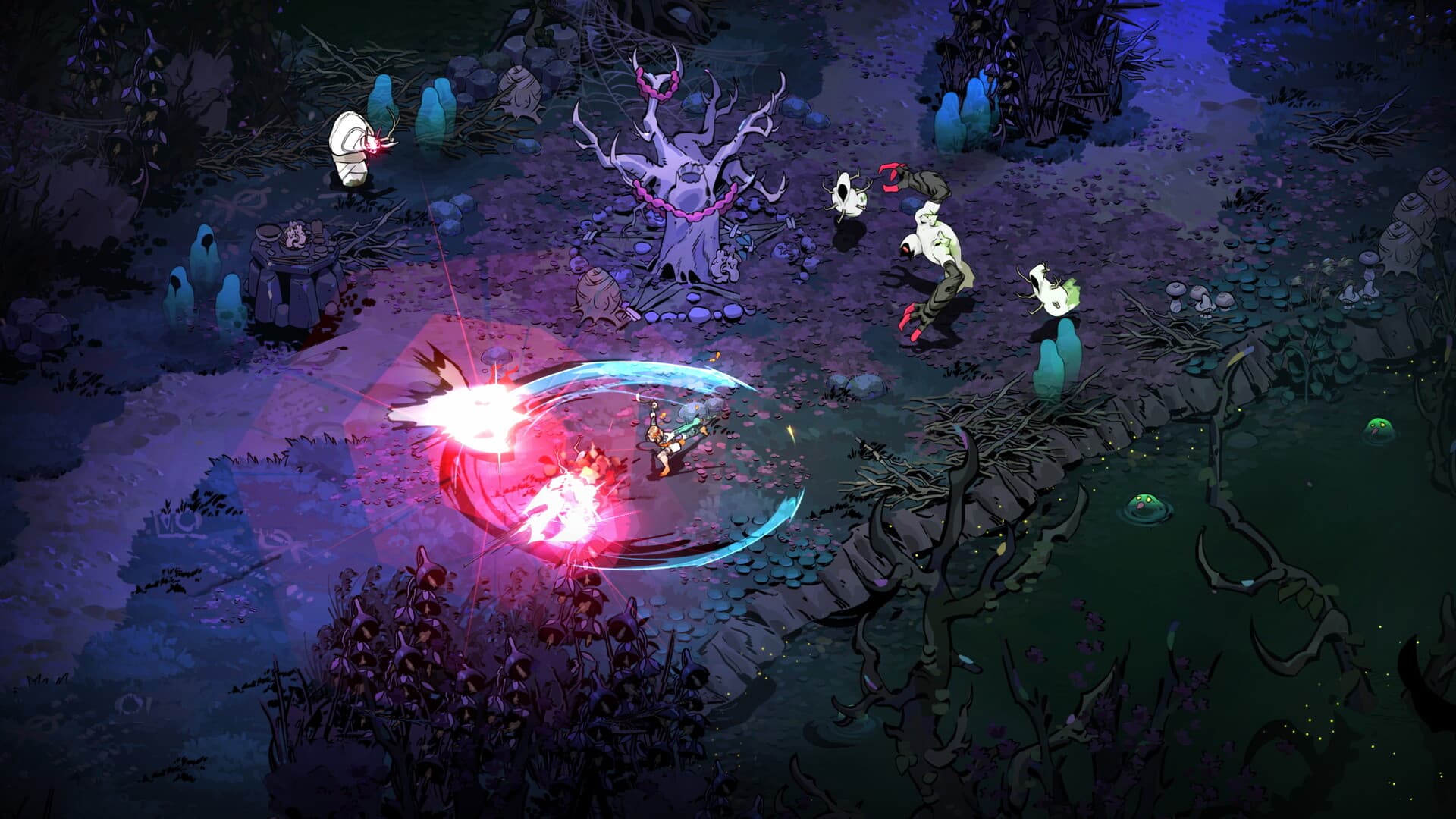
The sequel to the game that made the whole genre cool, and it is somehow bigger in every direction. You play the Princess of the Underworld across two sprawling directions of combat, with a deeper build system, a witchcraft-and-cauldron layer of persistent upgrades, and the same impossibly good writing that makes losing feel like advancing the story. Even in its ongoing early-access state it is one of the most polished action experiences around, and its narrative hook, where characters remember your deaths and comment on them, remains the best argument that a roguelike can tell a real story through repetition.
- Subgenre: action roguelite.
- Why it wins: tight combat, ludicrous replay depth, and dialogue that turns dying into plot.
- Best for: anyone who wants the genre's high-water mark for feel and craft.
2. Balatro
The deckbuilder that ate 2024 and never let go. Balatro takes poker, strips out the poker, and rebuilds it into a numbers-go-up dopamine machine where you assemble absurd Joker synergies until a single hand scores more than seems physically possible. It found genuinely new ground in a genre everyone assumed was solved, and its "I will quit after this run" gravity is arguably the strongest on this entire list. It runs on anything, costs almost nothing, and will quietly delete your week.
- Subgenre: roguelike deckbuilder.
- Why it wins: the purest escalation loop in games right now.
- Best for: anyone with a spreadsheet brain and a free evening they will not get back.
3. Hades
The original still belongs near the top. Before the sequel expanded everything, Hades set the modern standard: buttery combat, the Boon system that makes every god an interesting fork in the road, and a story that unfolds precisely because you keep dying and climbing out again. If you somehow skipped it, it remains the perfect on-ramp to the genre and one of the best action games of its generation, full stop.
- Subgenre: action roguelite.
- Why it wins: flawless first-timer experience and still endlessly replayable.
- Best for: newcomers and anyone who never got around to it.
4. Slay the Spire
The deckbuilder that built the template Balatro would later remix. You climb a tower, and each fight is a puzzle of the cards, relics, and potions you have accumulated on the way up. Its four characters play like different games, its community has been theorycrafting it for years, and with a long-awaited sequel expanding the formula, the original remains a genre cornerstone that any deckbuilder fan owes it to themselves to master.
- Subgenre: roguelike deckbuilder.
- Why it wins: the strategic deckbuilder that everything since has answered to.
- Best for: players who want to out-think the run, not out-twitch it.
5. Dead Cells
A roguelite Metroidvania that feels like liquid. Dead Cells pairs razor-sharp 2D combat with a weapon and mutation pool deep enough that no two runs play alike, and years of free updates and crossover DLC have kept it enormous. The movement is the star: dodging, vaulting, and cleaving through a level in one unbroken flow is a feeling few games match.
- Subgenre: action-platformer roguelite.
- Why it wins: best-in-class movement and combat feel.
- Best for: players who want reflexes and build variety in equal measure.
6. Risk of Rain 2
The co-op pick, and a masterclass in escalating chaos. You and up to three friends drop onto an alien planet and fight to survive as difficulty scales relentlessly with time, stacking items into build combinations that turn you from fragile to godlike to comically broken. The tension of racing the ever-rising clock, and the joy of a run that snowballs out of control, is unmatched in three dimensions.
- Subgenre: third-person co-op shooter roguelite.
- Why it wins: the best roguelike to play with friends.
- Best for: groups who want their power fantasy to spiral out of control together.
7. Vampire Survivors
The game that spawned a whole subgenre. Vampire Survivors is a "bullet heaven," the inverse of a bullet hell, where you barely move, weapons fire automatically, and you watch your character evolve into a screen-clearing storm of damage. It is almost embarrassingly moreish, costs less than a coffee, and buries an astonishing amount of unlockable depth under its dead-simple surface.
- Subgenre: bullet heaven / survivors-like.
- Why it wins: maximum satisfaction for minimum effort and money.
- Best for: anyone who wants to feel unstoppable with one thumb.
8. Enter the Gungeon
The bullet-hell twin-stick that fans still swear by years on. It is dense, stylish, and unapologetically tough, built around a gun-obsessed world with hundreds of weapons ranging from practical to gloriously stupid. The learning curve is real, but clearing a run here feels genuinely earned in a way easier roguelikes cannot replicate.
- Subgenre: twin-stick bullet-hell roguelike.
- Why it wins: consistent tone, brutal skill ceiling, endless gun variety.
- Best for: players who want a challenge with personality.
9. The Binding of Isaac: Rebirth
The sprawling, grotesque grandfather of the modern indie roguelike. Isaac has been updated and expanded so many times that its item pool and secret-hunting run absurdly deep, and its willingness to break its own rules with game-changing synergies is exactly why people have logged thousands of hours in it. It is grim, weird, and one of the most content-stuffed roguelikes ever made.
- Subgenre: top-down dungeon-crawler roguelike.
- Why it wins: staggering depth and the joy of a run that breaks the game.
- Best for: completionists who want a genre they can live inside.
10. Cult of the Lamb
The genre mash-up that shouldn't work and absolutely does. Cult of the Lamb splits its time between roguelite crusades through procedurally generated dungeons and a cozy base-building layer where you run a literal cult, recruiting the followers you save. The two halves feed each other beautifully, and the whole thing is dripping with charm and menace in equal measure.
- Subgenre: action roguelite plus management sim.
- Why it wins: two great loops that make each other better.
- Best for: players who want their run-based combat with a side of home to tend.
11. Gunfire Reborn
The co-op FPS roguelite that flies under the radar and shouldn't. It blends first-person gunplay with hero abilities and a build system deep enough to sustain long sessions, and it is at its best with a squad chasing increasingly ridiculous synergies. If Risk of Rain 2 has your group covered from a distance, this is the up-close, first-person answer.
- Subgenre: first-person co-op roguelite.
- Why it wins: satisfying shooting married to real build depth.
- Best for: groups who want a roguelike in first person.
12. Returnal
The AAA outlier, and proof the genre can carry a blockbuster budget. Returnal wraps roguelike structure in a haunting third-person shooter with punishing bullet-hell combat and a genuinely unsettling story about being trapped in a loop. It is the most cinematic entry here, and when its combat sings, few games feel as intense.
- Subgenre: AAA third-person roguelike shooter.
- Why it wins: blockbuster production values on a roguelike skeleton.
- Best for: players who want the genre with a prestige-horror sheen.
How to pick your next run
If you want the best overall craft, start with Hades II or Hades. If you want the loop that will steal the most hours for the least money, it is Balatro or Vampire Survivors. Thinkers should climb Slay the Spire; groups should drop into Risk of Rain 2 or Gunfire Reborn. The beauty of the genre is that its best games cost little and give back enormous amounts, so there is no wrong door here, only the next "one more run."
Hungry for more games built on mastery and repetition? Our roundups of the best soulslike games after Elden Ring and the best survival games of 2026 scratch a similar itch, and it is worth reading why roguelike modes are taking over live-service games too.