How it works in Subnautica 2
Progression in Subnautica 2 is depth progression. The map gates its best resources and its story behind deeper, darker, more dangerous water, and getting there safely comes down to three things: your oxygen supply, your vehicle's pressure limit, and having a way back to air. You climb a traversal ladder, from swimming with fins, to a personal underwater scooter, to a versatile mid-game vehicle, to the heavy-duty Prawn Suit exosuit returning in Update 1.1, upgrading each rung so you can survive one biome deeper than the last. Layer those tools correctly and you can push into hostile zones like the new Collector Leviathan biome without ever being one bad moment from drowning.
This is a HostedGG survival guide. Subnautica 2 is in early access and its exact tools and depth values shift between patches, so this focuses on the durable strategy that holds no matter how the numbers get tuned. If you are brand new, read our beginners guide first.
The Two Limits That Actually Kill You
Everything about traversal in Subnautica 2 is a fight against two hard limits.
- Oxygen. On foot, your air is a countdown. Every trip below the surface is a round trip you have to finish before the meter empties, which is why your effective range is really "how far can I get and still make it back to air."
- Crush depth. Every vehicle has a pressure limit. Take it past that depth and it starts taking damage from the water itself. You do not go deeper by being braver; you go deeper by upgrading the hull rating or switching to a vehicle built for it.
Master these two and the whole game opens up. Ignore them and the ocean does the rest. Almost every death in Subnautica 2 traces back to running one of these two meters to zero far from safety.
The Traversal Ladder
Think of your traversal tools as rungs on a ladder. Each one extends your reach, and you generally want to have the next rung ready before you truly need it.
| Rung | Role | What it solves |
|---|---|---|
| Fins and a tank | Baseline swimming | Extends your breath and swim speed for early shallow work |
| Personal scooter | Fast personal travel | Covers distance without burning oxygen swimming |
| Versatile mid vehicle | Mobile safety bubble | Carries oxygen, storage, and depth rating so you can work far from base |
| Prawn Suit (Update 1.1) | Heavy exosuit | Durability, mining, and combat for deep, dangerous, resource-rich zones |
The mistake most players make is trying to skip a rung, pushing into a deep biome in a fragile vehicle because they are impatient. Depth punishes that. Climb the ladder in order and each new biome feels like a challenge instead of a death sentence.
The Personal Scooter: Your First Real Range Upgrade
Your first meaningful traversal tool is a handheld underwater scooter. It does not carry oxygen, so it does not extend your air, but it dramatically extends your range per breath by moving you faster than swimming. Early on, that is exactly the bottleneck: you have places to be and not enough breath to swim there.
Use it to scout. A scooter lets you map the terrain around your base, find resource nodes and wrecks, and identify where the biome edges and dangers are, all before you commit to building a bigger vehicle. Scouting first means your later, more expensive expeditions are efficient instead of blind.
The Mid-Game Vehicle: A Moving Safety Bubble
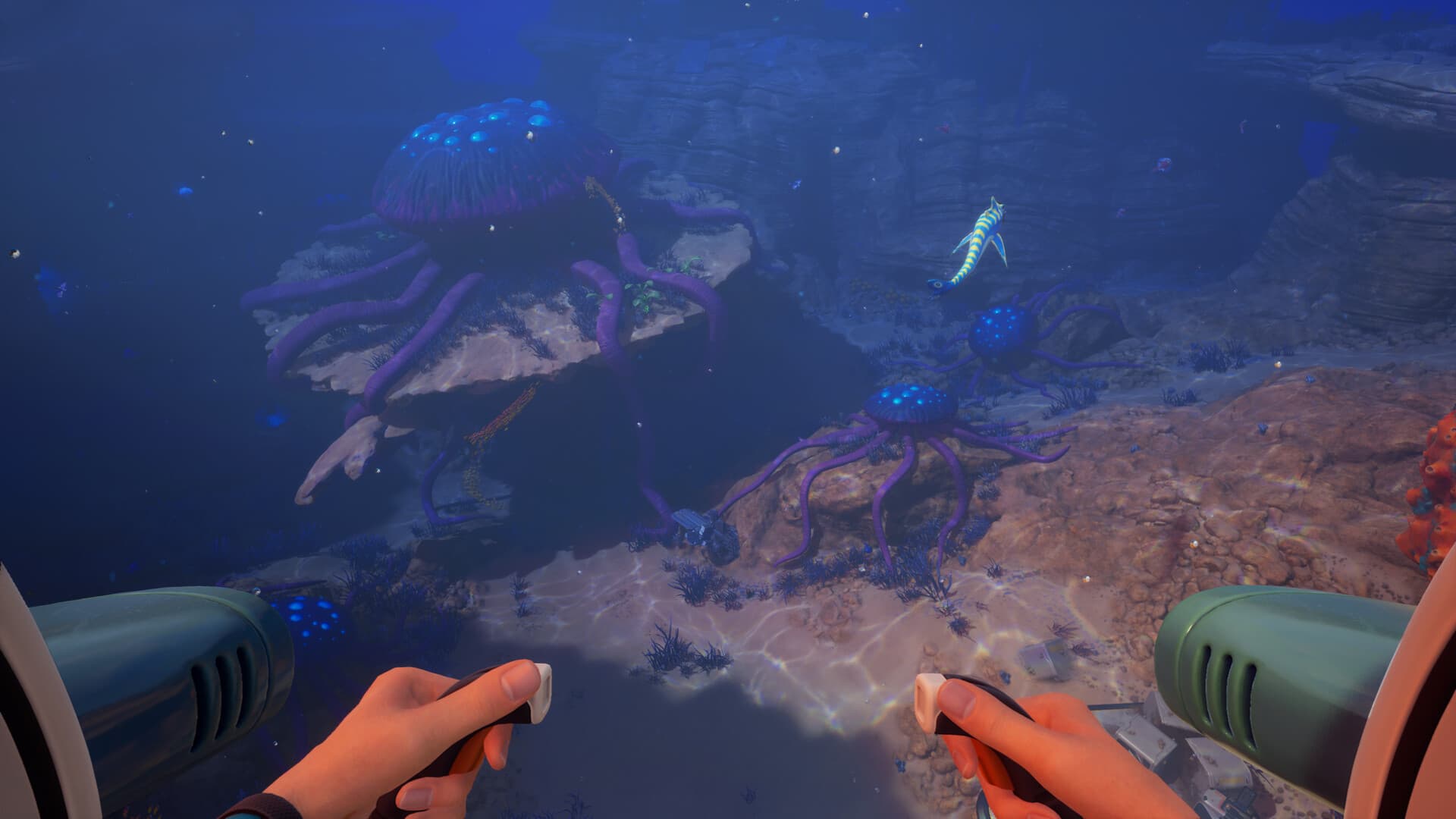
The core of Subnautica 2's mid game is your versatile personal vehicle, the one that carries its own oxygen, storage, and a depth rating. This is the rung that changes the game, because it turns "how far from air can I get" into "my air comes with me." Suddenly you can work an entire biome far from base, ferry resources, and dock back at your habitat to refuel and drop off loot.
Two habits make it far more powerful:
- Upgrade the depth module before you dive deeper. The vehicle's crush depth is upgradeable. Push it one tier ahead of the biome you want to explore so you always have a pressure buffer.
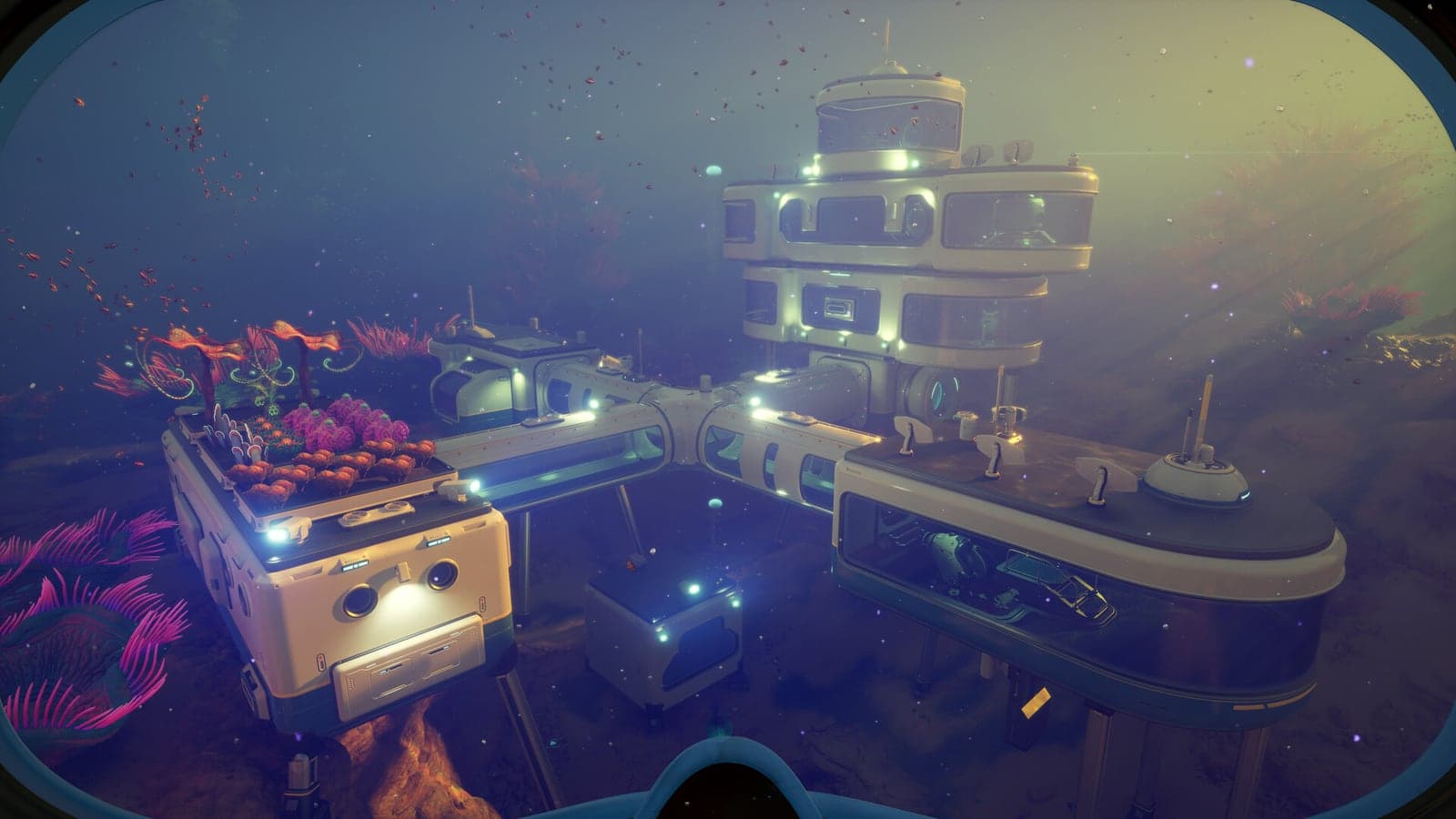
- Treat it as a forward base, not just a car. Park it as a mobile oxygen refill and storage point at the edge of a dangerous zone, then make short foot excursions from it. That is how you safely work a biome that is otherwise too far from your habitat.
When you are ready to plant a permanent forward base near a rich or dangerous biome instead, our base building guide covers placement, power, and reinforcement.
The Prawn Suit: The Answer to Dangerous Depths
Update 1.1 brings back the Prawn Suit, and it fills the one role every other vehicle lacks: survivability in a fight. Where your modular vehicle is flexible but fragile, the Prawn Suit is a walking, armored exosuit built for durability, mining power, and punching through hostile encounters that would tear a lighter vehicle apart.
This is your tool for the game's nastiest zones, and it is no coincidence it arrives in the same update as the Collector Leviathan biome. A leviathan-infested, resource-rich deep zone is exactly what the Prawn Suit exists for:
- Take it where things bite back. Deep biomes with large aggressive creatures are Prawn Suit territory. Its armor buys you the time a fragile vehicle never gets.
- Use it to mine. The exosuit's drill arm makes it the tool of choice for harvesting the dense resource deposits that tend to sit in the most dangerous water.
- Pair it with a drop-off vehicle. Because the Prawn Suit is slow over long distances, ferry it close on or beside your bigger vehicle, then deploy it for the final dangerous stretch.
For a full picture of how the new creatures and the Prawn Suit reshape the current build, see our Update 1.1 breakdown.
A Safe-Diving Routine That Always Works
No matter which rung you are on, the same pre-dive routine keeps you alive:
- Top off oxygen and repair your vehicle before every serious dive.
- Know your out. Always have a clear path back to air, a docked vehicle, a base, or the surface, within your current oxygen budget.
- Upgrade depth before you need it, never after you are already taking crush damage.
- Scout with the cheap tool, commit with the expensive one. Use the scooter to learn a zone, then bring the right vehicle in with a plan.
- Respect the leviathan. If a biome has a large predator, assume it patrols, learn its route, and bring the Prawn Suit rather than hoping it ignores you.
The Bottom Line
Going deeper in Subnautica 2 is never about courage. It is about managing oxygen, respecting crush depth, and matching your vehicle to the water you are entering. Climb the traversal ladder in order, keep your depth rating a step ahead of your ambitions, and treat the returning Prawn Suit as the specialist tool for the dangerous deep. Do that and the ocean stops being a threat and starts being a map of rewards you are finally equipped to collect. When you want to know which tools and upgrades are worth the resources first, check our Subnautica 2 tier list, and if you are still deciding whether to dive in at all, our early access review has the verdict.