The Quick Verdict
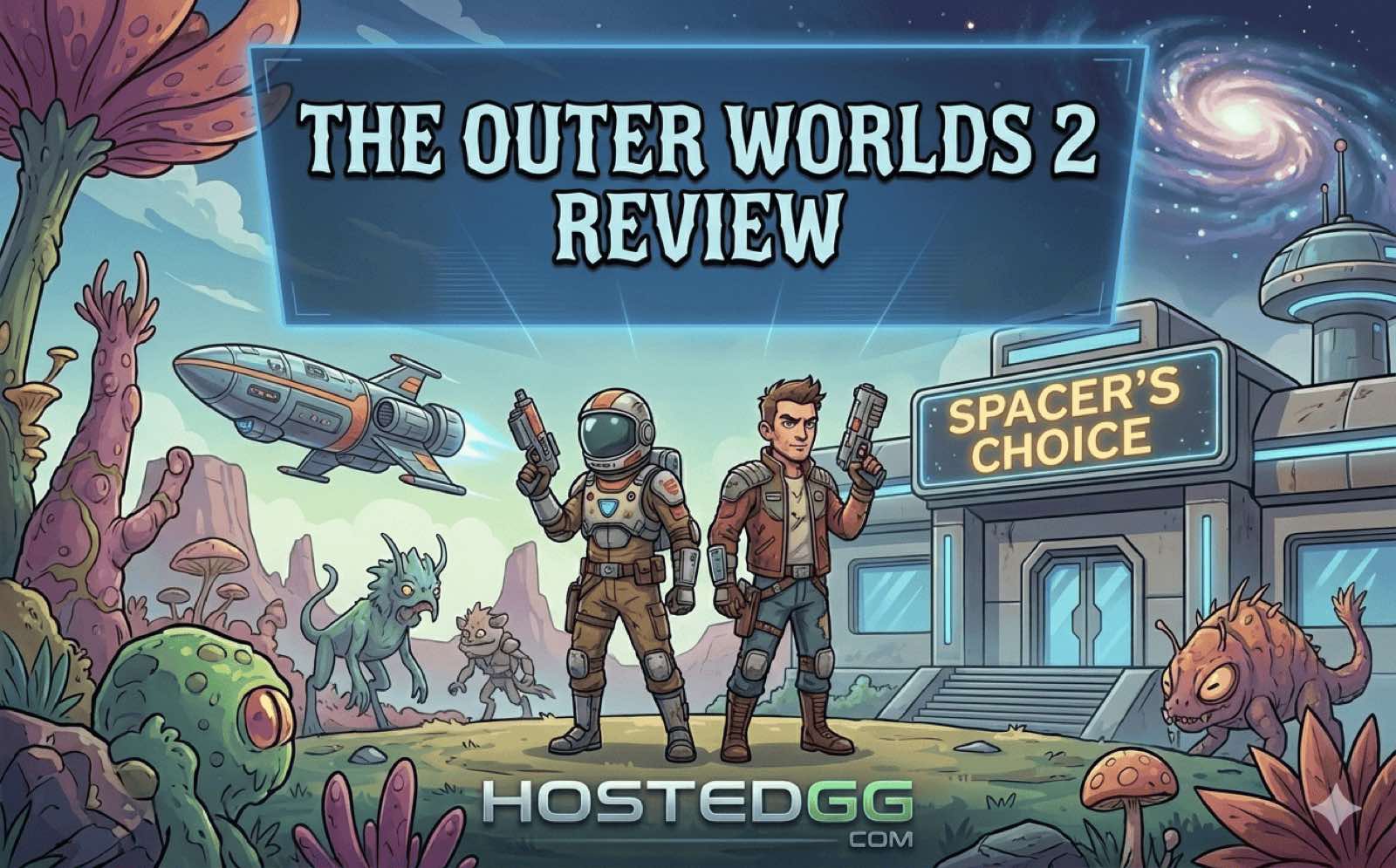
The Outer Worlds 2 is the sequel fans were quietly hoping for: bigger, sharper, and confident enough to poke fun at itself the entire way through. Obsidian has taken everything that made the original a cult favorite and scaled it up, then tightened the systems underneath until they actually sing. It is not flawless, but it is the kind of choice-driven sci-fi RPG that keeps you up well past your bedtime muttering "okay, one more quest." If you want satire with teeth, builds worth obsessing over, and a galaxy that reacts to you, this is an easy recommendation.
Writing and Choice: Still the Star of the Show
Let us be honest about why people love these games. It is the writing. Obsidian has always understood that a corporate dystopia is funniest when it is played almost completely straight, and the sequel doubles down on that instinct. The satire is razor sharp, the dialogue crackles, and the whole thing skewers capitalist greed and self-important factions without ever turning into a lecture. You will laugh, then catch yourself nodding, then realize the joke was about you.
What makes it land is reactivity. Quests bend around your decisions in ways that feel genuinely earned. Competing factions are everywhere, each with their own agenda, and the game constantly asks the same loaded question: who do you back, who do you burn, and can you live with it? There is rarely a clean "good" answer, which is exactly the point. Side with one group and another remembers it later. Talk your way out of a fight and the world quietly shifts. These are not big flashy branching cutscenes so much as a steady drip of consequences, and that restraint is what gives Arcadia its dynamism.
The faction storylines carry real nuance, too. Nobody here is cartoonishly evil or saintly. They are all just people and institutions chasing their own interests, which makes choosing between them feel weighty rather than gamey. It is the kind of writing that respects your intelligence, and after a few hours you stop optimizing for rewards and start roleplaying for real.
Combat and Builds: Your Flaws Define You
Combat is the area that has quietly leveled up the most. Weapons feel punchier and more impactful, enemy variety keeps encounters from going stale, and the tactical depth actually rewards you for preparing instead of just running in. The science weapons return with all their gloriously absurd effects, and leaning into a specific weapon type finally feels like a viable, satisfying path rather than a novelty.
Character progression is where the real fun lives, though. The focus has shifted toward skills and traits, which makes every choice feel tangible. You are not just watching abstract numbers tick up; you are deciding what your character actually does in the world.
The standout is the flaw system. In the original, flaws were a slightly indirect bargain: accept a downside, pocket a perk point, move on. Here they hit immediately and concretely. Pick a flaw and you get a clear benefit paired with an equally clear drawback, and the trade-off shapes how you play. One flaw might hand you a fatter magazine while punishing you for emptying it completely, which suddenly changes how you approach every firefight. It is entirely optional, but it adds genuine depth to build crafting and leans perfectly into the series' cynical streak. Your weaknesses become part of your identity, and that is a wonderfully on-brand design idea for a game this sardonic.
What Drags
No sequel is perfect, and The Outer Worlds 2 has a few rough edges worth naming. The most visible is asset recycling: you will start noticing the same doors, control panels, and building interiors as you hop between planets. The consistent retrofuturistic style papers over a lot of it, and the galaxy still feels distinct and inviting, but eagle-eyed explorers will clock the repetition.
Pacing is the other wobble. The main thread keeps a strong rhythm, but some side quests meander or overstay their welcome, and a stretch here or there can lose momentum before snapping back into focus. None of it is a dealbreaker, but it does keep the package from feeling truly seamless.
And then there are the companions. They are back, each with their own questlines and combat utility, and their banter is as sharp as ever. The catch is that a few of them feel slightly underwritten compared to the world around them. They are good company, genuinely, but a handful of extra personal moments would have nudged them from "fun to have along" toward "the reason I replayed the game."
Who It Is For
If you already love Obsidian's brand of reactive, dialogue-heavy RPGs, you can stop reading and go play. This is comfort food made with better ingredients. If you bounced off the first game because it felt a little small or a little undercooked mechanically, the sequel addresses a surprising amount of that with its bigger scope and more direct systems. And if you are brand new to the series, you can jump in here without homework and still get the full, witty, choice-soaked experience.
The people who may want to wait are those chasing cutting-edge visuals or perfectly polished pacing above all else. This is a smart, characterful RPG first and a technical showcase second, and it knows exactly which of those matters more.
Final Verdict
The Outer Worlds 2 keeps everything that made the original a cult hit and presents it on a larger canvas, with more variety and far more direct impact on how your choices play out. The retrofuturistic tone is intact, the satire is sharper than ever, and the competing factions give the galaxy a sense of genuine, living friction. The recycled scenery, the occasional saggy side quest, and the slightly thin companions keep it from greatness, but they never come close to sinking it.
For longtime fans and newcomers alike, this is a clever, funny, challenging sci-fi RPG that is well worth exploring and, just as importantly, worth revisiting. Obsidian set out to make a worthy sequel, and they nailed it.
Score: 8.5/10, Great